Plastic Bag Materials Guide for B2B Buyers

Compare HDPE, LDPE, LLDPE and PE blends before sourcing wholesale plastic bags, custom packaging and export-ready B2B orders.
For B2B buyers, choosing plastic bag materials is not only a technical detail. The material affects load strength, clarity, softness, sealing, printing result, packing cost and customer experience. A plastic bag that looks acceptable in a photo can still fail if the film is too thin, too stiff, too soft or not suitable for the product weight.
This guide explains how to compare HDPE, LDPE, LLDPE and PE blends before sending a quotation request. It also links to the detailed plastic bag materials guide and the B2B plastic bag sourcing guide for buyers planning repeat export orders.
Why material selection changes plastic bag cost and performance
The biggest cost driver in a plastic bag is material consumption. Bag size, micron, resin type, gusset, sealing type and printing coverage all change the final price. This is why two suppliers can quote very different unit prices for what sounds like the same bag. If the material, thickness or packing format is different, the quote is not comparable.
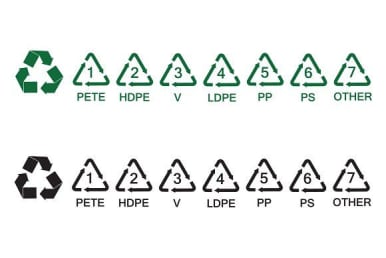
- HDPE usually gives a crisp hand feel and efficient strength-to-weight ratio.
- LDPE is softer and clearer, making it useful for premium retail and zipper packaging.
- LLDPE blends can improve puncture resistance and toughness.
- MDPE can help balance stiffness, toughness and film stability.
Before approving a bulk order, buyers should test samples with the real product. Load weight, sharp corners, stacking, sealing and warehouse handling can reveal issues that a simple visual check misses.
When to choose HDPE bags
HDPE bags are widely used for retail carry bags, T-shirt bags, produce bags and high-volume packaging programs. They are often selected when the buyer needs practical strength, lighter film and competitive unit cost. HDPE can feel stiffer than LDPE, but that stiffness is useful for many carry bag applications.
Buyers sourcing T-shirt bags should confirm width, height, side gusset, handle shape, thickness, packing count and target load weight. For supermarket or wholesale distribution, carton packing and bundle count should also be confirmed before production.
When to choose LDPE bags
LDPE is a strong choice when softness, clarity and presentation matter. It is common in zipper bags, boutique bags, product bags and thicker custom packaging. LDPE can also support branded printing when the surface and artwork are prepared correctly.
For resealable packaging, buyers can review zipper bag options and compare LDPE thickness based on product weight, clarity requirements and storage conditions. The bag should open and close smoothly while still holding its shape during handling.
When to use LLDPE or blended PE film
LLDPE is often blended with other PE materials when a bag needs better stretch, toughness or puncture resistance. This is useful for heavier products, irregular shapes, industrial liners and packaging that needs durability without simply increasing micron.
A blend can improve performance, but buyers still need sample testing. The right formula depends on the product shape, loading weight, seal type and target price. If the application is demanding, share photos, product dimensions and a target sample with the supplier.
How to send a better RFQ to a plastic bag manufacturer
A clear RFQ helps a supplier quote faster and reduces the risk of wrong assumptions. Instead of asking only for a price list, send the exact bag type, dimensions, material, thickness, quantity and packing method. If you are still comparing suppliers, use this checklist together with the guide on how to choose a plastic bag manufacturer in Vietnam.
- Bag type: T-shirt bag, flat bag, zipper bag, garbage bag, food bag or custom bag.
- Material: HDPE, LDPE, LLDPE, MDPE, recycled content or a suggested blend.
- Size: width, height, gusset, handle and sealing type.
- Thickness: micron or target strength if thickness is not fixed yet.
- Printing: logo, color count, artwork position and surface requirements.
- Packing: roll, bundle, inner bag, carton quantity, pallet or export carton.
- Market: destination country, compliance expectation and delivery deadline.
Price comparison: do not compare incomplete specs
Wholesale plastic bag pricing changes quickly when the supplier changes material, thickness, packing count or printing setup. A lower price may be valid, but it may also be based on a thinner film or a different resin blend. Buyers comparing prices should keep all specifications equal and then review the wholesale plastic bags pricing guide.
For repeat orders, keep an approved sample, written specification and carton packing standard. This makes future quotations and quality checks much easier.
Final recommendation for B2B buyers
If you are unsure which plastic bag material is best, start with the application rather than the material name. Define what the bag must carry, how it will be packed, how customers will use it and what price range you need to meet. VietPhatPlas can review HDPE, LDPE, LLDPE and PE blend options for custom packaging, wholesale bags and export orders.
To prepare a quotation, send your current specification, target sample or product details through the VietPhatPlas contact form.