PFAS-Free Food Packaging: What US State Bans Actually Mean for Plastic Bag Buyers

PFAS-free food packaging has become a compliance buzzword as US states roll out bans — but most of those bans target paper and molded-fiber food packaging, not standard plastic bags. This guide clarifies which PFAS food packaging laws are actually in effect across US states, why plain polyethylene bags are generally outside their scope, the one real plastic-specific PFAS issue buyers should know about, and the broader all-packaging bans coming later in the decade.
PFAS-free food packaging has turned into a real compliance question for US buyers, as a wave of state laws restrict "forever chemicals" in food packaging. If you're sourcing plastic bags for food use, the headlines about PFAS bans can sound like they apply directly to you — but the actual laws on the books tell a more specific story, and it's worth getting the details right before changing a spec or a supplier relationship over it.
This guide covers what PFAS food packaging bans actually restrict, corrects a citation that's been circulating inaccurately (Illinois HB 2516), walks through which states have real bans in effect, and explains why standard polyethylene bags are generally outside the scope of these laws — along with the one genuine plastic-related PFAS issue and the broader bans still to come.
What PFAS Food Packaging Bans Actually Target
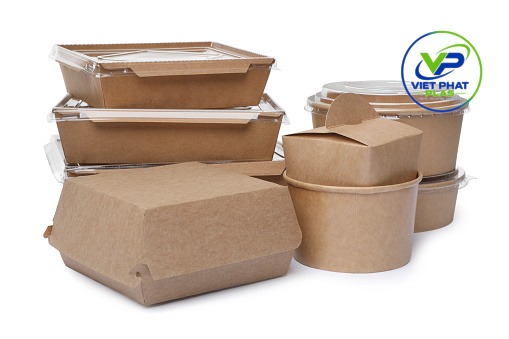
Grease-resistant paper food container
PFAS (per- and polyfluoroalkyl substances) get intentionally added to certain packaging materials for one specific job: grease and moisture resistance. Paper and molded-fiber food packaging — think pizza boxes, bakery bags, deli wrap, molded-fiber bowls and clamshells — doesn't resist grease or moisture on its own the way plastic film does, so manufacturers historically treated the fiber surface with PFAS coatings to keep oil and liquid from soaking through. That's the exact practice most state PFAS food packaging laws were written around: California's AB 1200 restricts "paper wraps, liners, bags, sleeves, dinnerware, and molded fiber takeout containers," and Maine's rule, discussed below, is even more explicit about covering only packaging "comprised, in substantial part, of paper, paperboard, or other materials originally derived from plant fibers." Most — though importantly not all — state laws copy this same paper/fiber-only definition, which matters for how the next few sections read.
Standard plastic film — the polyethylene used in most food bags, produce bags, and bread bags — is already naturally grease- and moisture-resistant without any coating, which is exactly why manufacturers don't have a reason to add PFAS to it in the first place. That's the core distinction buyers need before reacting to "PFAS food packaging ban" headlines: the laws exist because of a paper-specific manufacturing practice, not a plastics-industry-wide one.
Correcting the Record: Illinois HB 2516 Does Not Cover Food Packaging
Illinois HB 2516, the state's "PFAS Reduction Act," is sometimes cited as a food packaging PFAS ban — it originally was drafted that way. But the bill was amended in the Illinois Senate in May 2025 to remove food packaging entirely before it was signed into law. The version Governor Pritzker actually signed bans intentionally added PFAS in cosmetics, dental floss, juvenile products, menstrual products, and intimate apparel, effective January 1, 2032 — food and food packaging are not part of the final law. Buyers who've seen HB 2516 referenced as a food packaging deadline are looking at outdated coverage of an earlier draft, not the enacted statute.
State-by-State Snapshot: Where Food Packaging PFAS Bans Stand
Thirteen states currently have a food packaging PFAS law enacted, with effective dates running from December 2022 (New York) out to January 2032 (Minnesota). Most of these — New York, California (AB 1200), Washington, Colorado, Maryland, Hawaii, Maine, New Jersey, and Minnesota — copy the paper/fiber-only definition described above and simply don't reach plastic packaging by their own wording. But four states wrote their laws more broadly, defining "food packaging" as any packaging in direct food contact regardless of material: Connecticut (effective January 1, 2024), Rhode Island (July 31, 2024), Oregon (January 1, 2025, covering "foodware containers"), and Vermont (January 1, 2026). In those four states, a plastic food package is technically within the law's reach the same as a paper one — the material-neutral wording doesn't carve plastic out the way the other nine states do.
Why Standard Plastic Bags Are Generally Outside These Bans
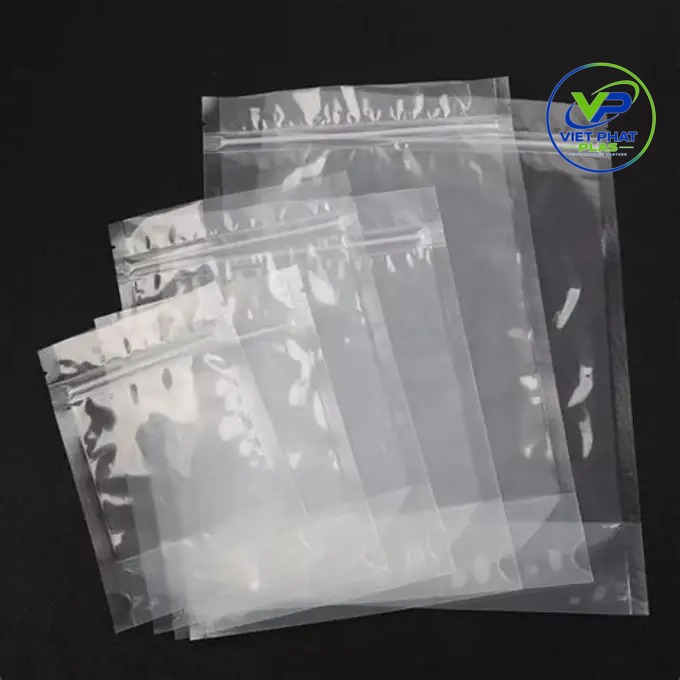
Untreated clear polyethylene food bag
For a buyer sourcing standard HDPE or LDPE food bags — produce bags, bread bags, deli bags, frozen food bags — the practical bottom line still holds, but the reason is slightly more precise than "plastic is exempt." In the nine states with a paper/fiber-only definition (New York, California, Washington, Colorado, Maryland, Hawaii, Maine, New Jersey, Minnesota), a plain plastic bag is outside the law's wording entirely, full stop. In the four material-neutral states (Connecticut, Rhode Island, Oregon, Vermont), a plastic bag is technically within scope — but every one of these laws only prohibits PFAS that was intentionally added, and there's no manufacturing step in producing ordinary polyethylene film that introduces PFAS on purpose. So a standard, untreated PE bag clears even the broader laws, not because the material is carved out, but because it doesn't trigger the "intentionally added" condition those laws are keyed to. The distinction matters most if a buyer's compliance team asks "does this law apply to plastic" — the honest answer in four states is "yes in principle, but your plain PE bag still isn't the thing it's targeting."
The One Real Plastic PFAS Issue: Fluorinated HDPE Containers
There is one genuine plastic-related PFAS issue, and it's worth knowing about even though it doesn't affect flexible food bags. Some rigid HDPE containers — jugs and drums used for pesticides, fuel, and industrial chemicals — go through a post-manufacture fluorination treatment to improve chemical resistance, and that treatment process itself was found to generate PFAS as a byproduct. The EPA took action against Inhance Technologies over this specific fluorination process in 2023-2024, confirming it created PFOA and other PFAS during production. This issue is specific to that fluorination treatment on rigid containers — it has no connection to the untreated flexible PE film used in typical food bags, produce bags, or mailers, so it isn't a reason for concern about standard bag products, but it's a useful data point if a buyer's compliance team asks a broad "is any plastic packaging affected by PFAS rules" question.
What's Coming Next: More Material-Neutral Laws
The trend line matters more than any single state's date. Connecticut and Rhode Island already wrote material-neutral definitions in 2024, Oregon followed in 2025, and Vermont's version takes effect January 1, 2026 — that's four states in three years moving away from the paper-only model, not a distant 2030s prospect. Illinois's own remaining PFAS categories (unrelated to food packaging) move to 2032, and it's reasonable to expect more states drafting new food packaging PFAS bills to copy the broader, material-neutral language rather than the older paper-specific model, simply because it closes the "just switch to plastic" loophole regulators may see in the paper-only laws. For buyers, the practical response isn't to panic about current plastic bag sourcing — untreated PE bags clear the "intentionally added" bar in every state, paper-scoped or material-neutral — but it is worth keeping written confirmation from suppliers that no PFAS-based processing aids or coatings are used, since that's the one document that would matter if a material-neutral state's enforcement ever asked.
State-by-State Table: Food Packaging PFAS Laws
|
State |
Effective Date |
Material Scope |
|
New York |
Dec 31, 2022 |
Paper/fiber only |
|
California (AB 1200) |
Jan 1, 2023 |
Paper/fiber only |
|
Washington |
Feb 2023 & May 2024 (phased) |
Paper/fiber only |
|
Colorado |
Jan 1, 2024 |
Paper/fiber only |
|
Connecticut |
Jan 1, 2024 |
Material-neutral |
|
Maryland |
Jan 1, 2024 |
Paper/fiber only |
|
Rhode Island |
Jul 31, 2024 |
Material-neutral |
|
Hawaii |
Dec 31, 2024 |
Paper/fiber only |
|
Oregon |
Jan 1, 2025 |
Material-neutral (foodware containers) |
|
Vermont |
Jan 1, 2026 |
Material-neutral |
|
Maine |
May 25, 2026 |
Paper/fiber only ($1B mfr. exemption) |
|
New Jersey |
Jan 12, 2028 |
Fiber-based only |
|
Minnesota |
Jan 1, 2032 |
Paper/fiber only |
Illinois is not in this table because, per the correction above, its enacted law (HB 2516) does not cover food packaging at all.
Comparison Table: Paper vs. Plastic Food Packaging and PFAS
|
Factor |
Paper/Fiber Food Packaging |
Standard Plastic (PE) Food Bags |
|
Natural grease/moisture resistance |
Low — often needs a coating |
High — inherent to the material |
|
Historical PFAS use |
Common, as a grease-resistance coating |
Not typically used — no manufacturing need |
|
Covered by paper/fiber-only state laws (9 states) |
Yes |
No — outside the definition entirely |
|
Covered by material-neutral state laws (VT, OR, CT, RI) |
Yes |
In scope by wording, but doesn't trigger the ban absent intentionally added PFAS |
|
Future broader bans (~2028-2032) |
Already restricted; further rules possible |
Would apply the same "intentionally added" test |
FAQ
Does Illinois HB 2516 ban PFAS in food packaging?
No. The bill originally included food packaging, but that provision was removed by Senate amendment in May 2025 before the governor signed it. The enacted law covers cosmetics, dental floss, juvenile products, menstrual products, and intimate apparel, effective January 1, 2032 — not food packaging.
Do state PFAS food packaging bans apply to standard plastic bags?
In nine of the thirteen states with a law (New York, California, Washington, Colorado, Maryland, Hawaii, Maine, New Jersey, Minnesota), no — these laws are written to cover only paper, paperboard, and molded-fiber packaging. In four states (Connecticut, Rhode Island, Oregon, Vermont), the law is written to cover any food packaging material, including plastic — but it only restricts PFAS that was intentionally added, which standard, untreated polyethylene bags don't contain.
Which states have a food packaging PFAS law that isn't limited to paper?
Connecticut (effective Jan 1, 2024), Rhode Island (Jul 31, 2024), Oregon (Jan 1, 2025), and Vermont (Jan 1, 2026) all define "food packaging" broadly enough to include plastic, unlike the paper/fiber-specific wording used in most other states.
What is the fluorinated HDPE container issue, and does it affect food bags?
It's a separate issue involving rigid HDPE containers (like pesticide or fuel jugs) that undergo a fluorination treatment for chemical resistance, which was found to generate PFAS as a byproduct. It applies to that specific treatment process on rigid containers, not to untreated flexible plastic film used in food bags.
When does Maine's PFAS food packaging ban take effect?
May 25, 2026, and it applies only to packaging made substantially of paper, paperboard, or plant fiber. It also exempts food and beverage manufacturers with national sales under $1 billion.
Should plastic bag buyers still prepare for PFAS regulation?
It's worth monitoring rather than reacting immediately. Untreated PE bags already clear every currently enacted law, paper-scoped or material-neutral, because none of them restrict PFAS that wasn't intentionally added. The trend toward material-neutral wording (four states since 2024) makes it worth keeping a written no-PFAS-added confirmation from your supplier on file, rather than assuming the paper-only pattern will hold everywhere going forward.
Conclusion
PFAS-free food packaging is a real compliance topic, but the current wave of state bans is mostly a paper and molded-fiber story, not a plastic bag story — and a citation like Illinois HB 2516 that sometimes gets attached to this topic doesn't actually apply to food packaging at all in its final, signed form. Nine of the thirteen states with a law carve plastic out by definition; four (Connecticut, Rhode Island, Oregon, Vermont) technically reach plastic packaging but only restrict PFAS that's intentionally added — a bar standard, untreated polyethylene bags clear either way. For buyers sourcing standard PE food bags, that's genuinely good news under today's rules, with one narrow exception (fluorinated rigid HDPE containers) that doesn't touch flexible bag products, and a real trend toward broader, material-neutral laws worth tracking rather than ignoring.
VietPhatPlas is a Vietnam-based manufacturer producing standard HDPE/LDPE food bags for B2B buyers across export markets. Contact VietPhatPlas to discuss material specifications for your food packaging orders.
Related Products: Food Bags category
Sources