Food Wrap Film Manufacturer Guide: Specs for B2B Buyers

Sourcing from a food wrap film manufacturer? Every supplier quotes a different "micron", and every roll feels different in your hand. This guide breaks down the materials (PE, PVC, PVDC), the specs that actually matter, and the questions to ask before you place a bulk order.
Food Wrap Film Manufacturer Guide: Specs for B2B Buyers
If you're evaluating a food wrap film manufacturer for your business — a supermarket chain, a meat processing plant, a catering operation, or a food export company — you already know the frustration: every supplier quotes a different "micron," every roll feels slightly different in your hand, and nobody explains why one film costs 20% more than another that looks identical on paper. This guide breaks down what actually matters when sourcing in bulk, so you can compare quotes on equal footing instead of guessing.
By the end of this guide, you'll know which resin type fits your product line, which specifications are worth negotiating on, what a fair MOQ looks like, and exactly what to ask a supplier before you commit to a bulk order.
1. What Is Food Wrap Film, and Who Buys It in Bulk?
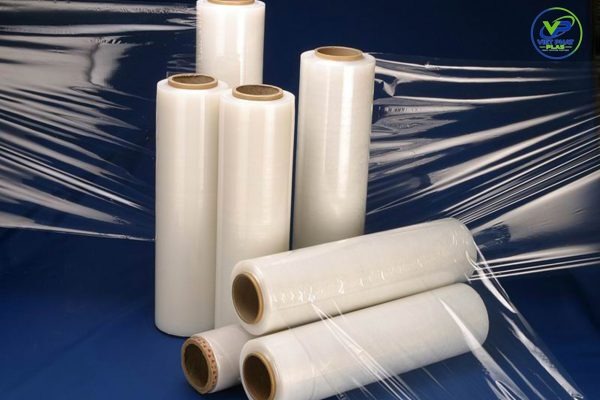
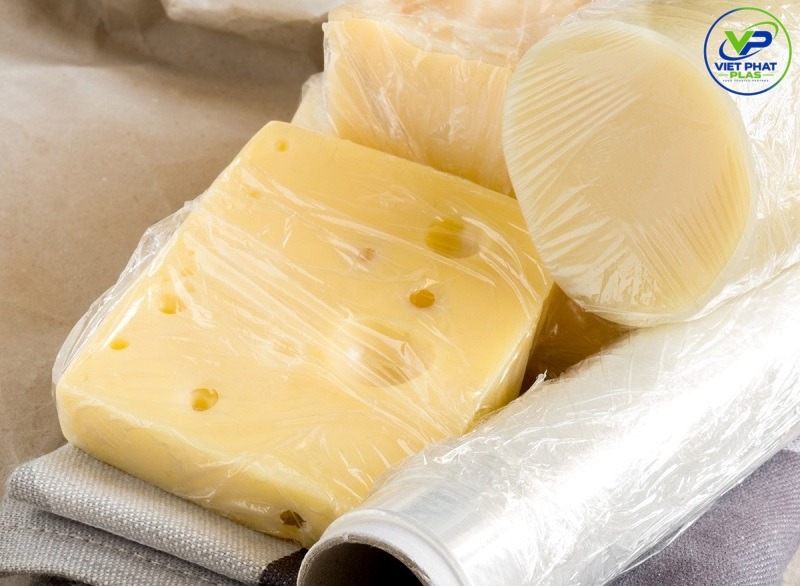
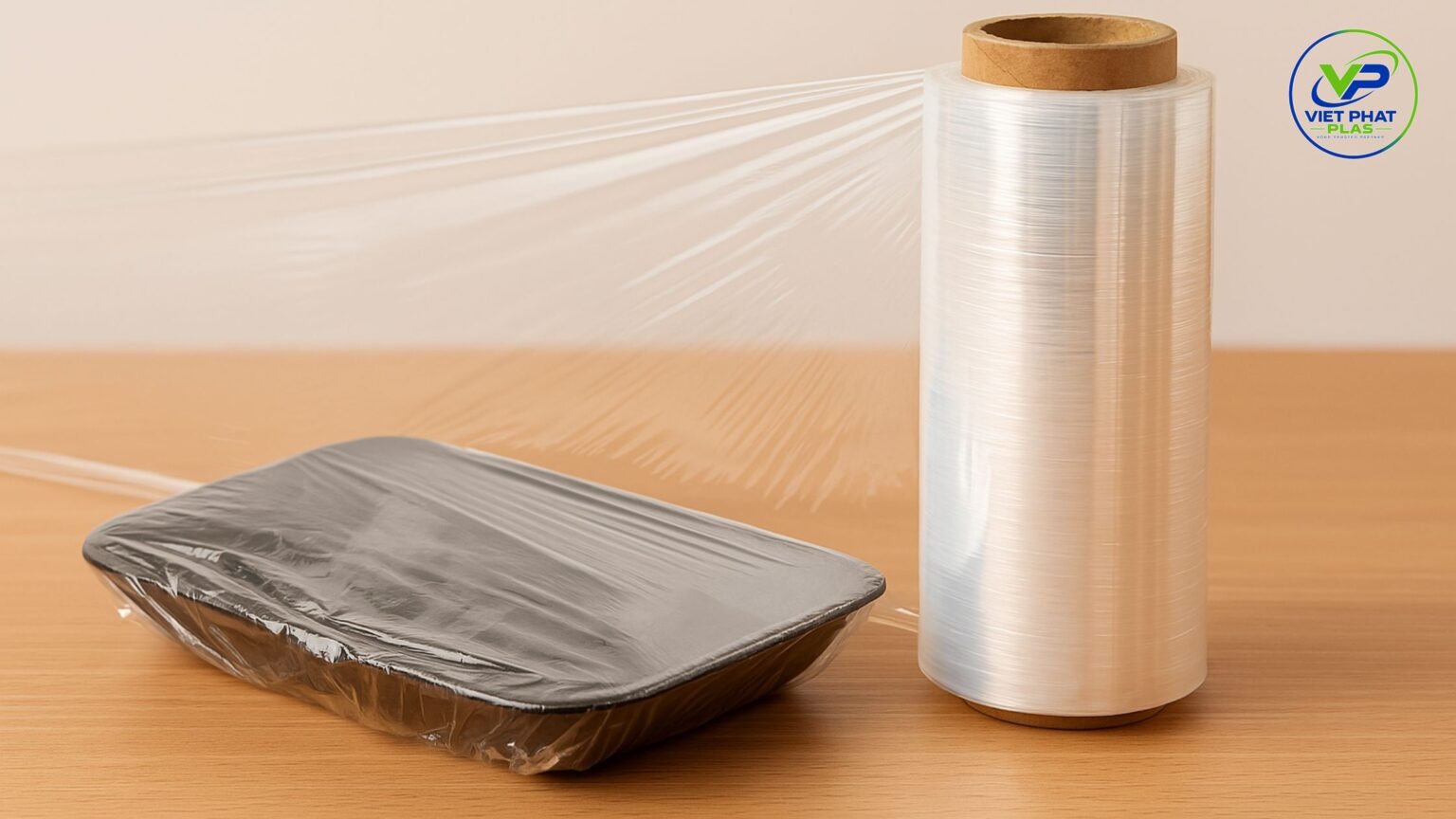
Food wrap film — sometimes called cling film, stretch wrap for food, or food-grade plastic wrap — is a thin, clear, self-adhering plastic film used to cover, bundle, or portion food products. Unlike pallet stretch film, which is built for load containment during transport, food wrap film is engineered for direct or near-direct contact with food, tighter cling at low tension, and better optical clarity so retail staff and consumers can see the product underneath.
The buyers who purchase this material in volume generally fall into a few groups:
- Supermarkets and wet markets, wrapping fresh meat, poultry, seafood, and produce trays on-site.
- Food processing and packing plants, using automatic wrapping machines to bundle multi-packs or protect trays before boxing.
- Catering companies, hotels, and central kitchens, portioning and storing prepped food.
- Fresh produce exporters, who need film that survives longer transit times without losing performance.
- Distributors and foodservice supply companies, who resell rolls to smaller restaurants and retailers.
Each of these buyers cares about slightly different things, but they all end up asking the same underlying question: which specification actually protects the product, and which one is just marketing language?
2. Food Wrap Film Materials: PE vs. PVC vs. PVDC
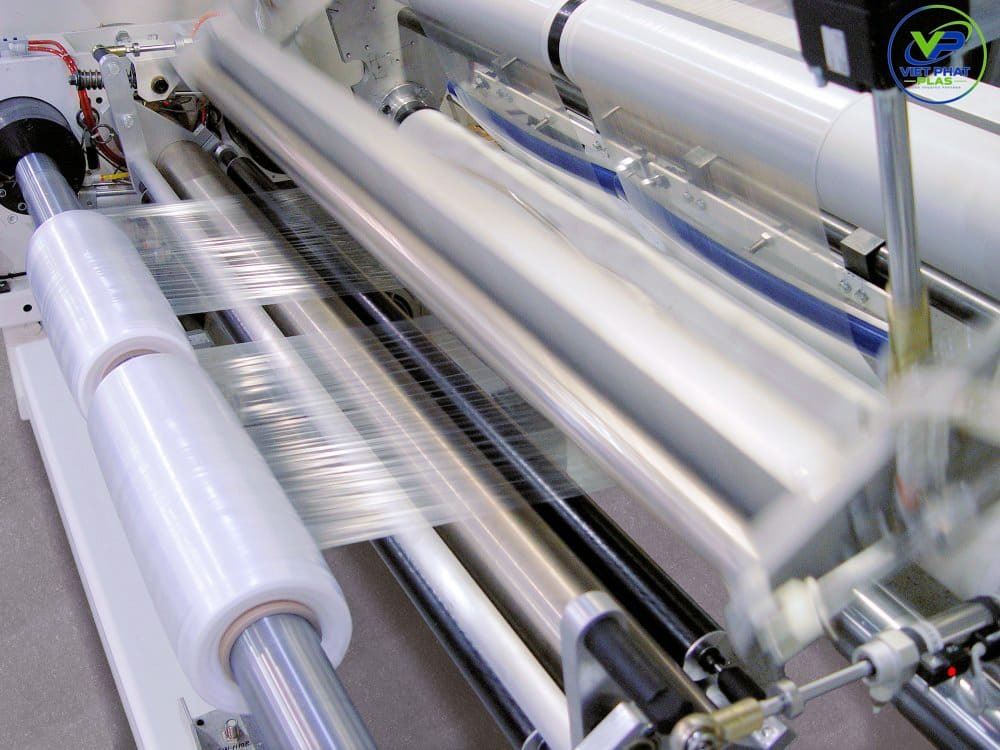
Three resin families dominate this category — polyethylene (PE), polyvinyl chloride (PVC), and polyvinylidene chloride (PVDC). Each behaves differently on the wrapping line and against the food itself.
2.1 Polyethylene (PE)
PE-based film is the most common choice for general-purpose wrapping. It's cost-efficient, doesn't contain the plasticizers that raise questions around PVC, and performs well on both manual and automatic wrapping stations. It's also the easiest of the three to recycle as a mono-material structure, which matters more each year as retailers push suppliers toward simpler packaging.
2.2 Polyvinyl Chloride (PVC)
PVC film clings more aggressively and offers excellent clarity, which is why some supermarkets still prefer it for meat trays. It typically costs more to convert responsibly, and because of its plasticizer content it faces more scrutiny in markets tightening food-contact packaging rules.
2.3 Polyvinylidene Chloride (PVDC)
PVDC shows up mostly in specialty applications where an extra oxygen or moisture barrier is worth the added cost, such as cured meats or products with a longer intended shelf life. It's the most expensive of the three and rarely needed for standard retail wrapping.
Comparison at a glance:
|
Material |
Clarity |
Cling |
Typical Thickness |
Relative Cost |
Recyclability |
Best For |
|
PE |
Good |
Moderate |
8–25 microns |
$ |
Easy (mono-material) |
General retail & industrial wrapping |
|
PVC |
Excellent |
Strong |
8–15 microns |
$$ |
Difficult |
Meat trays needing maximum clarity/cling |
|
PVDC |
Good |
Moderate |
Varies (layered) |
$$$ |
Limited |
Cured/long-shelf-life products needing barrier |
If you're trying to decide between these three for a specific product line, that comparison deserves its own deep dive into clarity trade-offs and recyclability — a topic we'll expand on in an upcoming article dedicated to material selection. For now, the practical takeaway is this: unless you have a specific barrier requirement, PE film covers the vast majority of general food-wrapping needs at the best cost-to-performance ratio, and it's the material most PE bag manufacturers will recommend as a starting point.
3. Key Specifications That Determine Performance
3.1 Thickness (Micron)
Micron thickness is the number every buyer fixates on, and for good reason — it's the closest thing to a universal performance indicator. But "thicker is better" is a lazy shortcut. A film that's too thick wastes material and money on light-duty applications, while a film that's too thin tears on sharp produce or during high-speed automatic wrapping.
As a rough starting point for sourcing conversations:
|
Micron Range |
Typical Use Case |
|
8–12 microns |
Light, short-shelf-life retail wrapping (bakery items, pre-portioned vegetables) |
|
12–18 microns |
General supermarket meat and produce wrapping |
|
18–25+ microns |
Heavier cuts, sharp-edged products, longer transit, repeated cold-storage cycles |
Ask your supplier for their actual measured thickness tolerance, not just the nominal number on the spec sheet — a film that's supposed to be 15 microns but varies between 12 and 18 across a roll will behave inconsistently on your wrapping machine.
3.2 Width, Roll Length, and Core Compatibility
This sounds basic, but it's one of the most common causes of returned orders. If your wrapping machine or dispenser is calibrated for a specific roll width and core diameter, a supplier switching core sizes or roll lengths without telling you can shut down a line. Confirm width tolerances, core inner diameter, and total roll length (not just weight) before placing a bulk order — especially if you're switching suppliers.
3.3 Clarity and Cling
Clarity affects how a product looks on the shelf, and for retail-facing applications, it directly influences purchase decisions. Cling — how well the film sticks to itself and to the tray — determines whether the wrap holds during transport and display without unraveling. Ask for a physical sample and test it on your actual product, not just a supplier's demo tray; cling performance can vary noticeably depending on the surface it's applied to (a plastic tray behaves differently than a foam one).
4. MOQ and Customization for B2B Orders
Minimum order quantity is where B2B sourcing diverges sharply from retail buying. Most manufacturers set MOQ based on roll width, resin batch size, and whether you want custom printing. If you're ordering a standard, unprinted PE film in a common width, MOQs are typically far lower than if you want custom-printed branding, a non-standard roll length, or a specific tint.
Reasonable customization requests for a B2B order usually include:
- Custom roll width and length to match your existing dispensers or wrapping machines.
- Printed branding or barcodes for retail-facing rolls, usually requiring a higher MOQ to justify plate or cylinder setup costs.
- Core size adjustments for automatic wrapping equipment compatibility.
- Packaging format — bulk cartons for industrial buyers versus retail-ready boxed rolls for smaller distributors.
If your order volume doesn't meet a supplier's standard MOQ for customization, ask whether they offer a trial batch at a higher unit price. A manufacturer confident in its product will usually accommodate a smaller first order to build the relationship, even if the per-unit cost is slightly higher than a full production run. Our custom plastic bag and film program is built around exactly this kind of flexible, B2B-first ordering.
5. Supplier Due Diligence: Questions to Ask Before You Commit
Because film performance is hard to judge from a spec sheet alone, the sourcing conversation matters as much as the numbers. Before signing off on a bulk order, it's worth asking:
- Can I get a physical sample tested on my own equipment before committing to a full order? A supplier that hesitates here is a warning sign.
- What's your actual thickness tolerance across a full roll, not just the nominal spec?
- What resin grade are you using, and is it consistent batch-to-batch, or does it vary based on raw material availability?
- What happens if a shipment doesn't meet the agreed specification — is there a replacement or credit policy?
- Can you support my volume consistently, or will lead times stretch during peak demand periods?
These questions matter more for food-contact film than for almost any other packaging category, because inconsistent film doesn't just create operational headaches — it can compromise product presentation and shelf life.
6. Where Your Cost Actually Comes From
Buyers often compare quotes purely on price per kilogram or per roll, which misses the bigger picture. The real cost drivers are:
- Resin type and grade — PE is generally the most cost-efficient; PVDC layers add cost due to barrier performance.
- Thickness — a direct, linear cost driver, but over-specifying thickness for a light-duty application wastes money.
- Customization — printing, non-standard widths, and small-batch runs all add cost per unit.
- Waste rate on your line — a slightly more expensive film that tears less often on your machine can be cheaper overall once you factor in downtime and product loss.
This last point is where experienced buyers separate themselves from first-time buyers: the cheapest roll isn't always the cheapest way to wrap a pallet's worth of product once you account for tear rates, machine downtime, and rejected trays.
7. Market Outlook: Why Demand Keeps Growing
The demand for food wrap and food packaging film isn't slowing down. Industry research from Future Market Insights projects the global food packaging film market growing from roughly USD 73 billion in 2026 to over USD 142 billion by 2036, with flexible films — including wraps and pouches — expected to hold close to 58% of that market as food brands continue shifting away from rigid packaging formats. Fresh food applications alone are projected to account for around a third of total demand, reflecting how central film-based wrapping has become for meat, produce, and bakery categories specifically.
Separately, Mordor Intelligence's research on the cling film category notes that direct B2B sales already dominate distribution, since supermarkets, food processors, and institutional buyers require bulk quantities, consistent specifications, and long-term supply agreements that retail channels can't offer. That growth also means more competition among suppliers, which is good news for buyers who take the time to compare specifications properly rather than defaulting to whichever quote arrives first.
8. Sustainability Expectations Buyers Now Face
Retailers and food brands are under growing pressure — from regulators, from their own sustainability commitments, and from end consumers — to reduce plastic packaging weight and improve recyclability. In practice, this shows up in sourcing conversations as requests for:
- Thinner, downgauged films that maintain the same performance with less material.
- Mono-material PE structures, which are easier to recycle than multi-layer or PVC-based films.
- Recycled content, where regulations or retailer policy require a minimum percentage of post-consumer or post-industrial resin.
If your business sells into markets with tightening single-use plastic rules, it's worth raising these questions with your supplier now rather than scrambling when a new requirement takes effect. Ask specifically what mono-material or downgauged options they can produce at your volume, and whether their standard product line already supports these specs.
9. Matching Film to Your Application
Not every buyer needs the same film. A quick way to think about fit:
- Retail meat and produce counters generally want a balance of clarity, cling, and mid-range thickness (12–18 microns) that holds up through daily handling.
- Automatic wrapping lines in processing plants need consistent thickness tolerance and cling performance tuned to machine speed — inconsistent film causes jams.
- Export and long-transit shipments benefit from slightly heavier film and, in some cases, an added barrier layer to manage humidity during transport.
- Catering and food service operations usually prioritize ease of tearing and dispensing over barrier performance, since turnover is fast and shelf life isn't the primary concern.
If you're unsure where your product falls, the safest approach is requesting two or three sample thicknesses and running a short trial on your actual packing line before locking in a bulk order. Our team can walk through this with you — see the food bag product range for the base specifications we typically start from.
10. A Practical Sourcing Checklist
Before finalizing a bulk food wrap film order, confirm:
- Resin type matches your application (PE for general use; PVDC only if you have a specific barrier need)
- Micron thickness and tolerance range are documented, not just a single nominal number
- Roll width, length, and core diameter match your dispensing or wrapping equipment
- MOQ and customization options (printing, width, packaging format) fit your order size
- Sample testing was done on your own product and equipment, not just a demo
- Replacement or credit policy exists for out-of-spec shipments
- Lead times and supply consistency are confirmed for your expected order frequency
11. Frequently Asked Questions
What micron thickness should I start with if I've never bought food wrap film in bulk before? For general retail meat and produce wrapping, 12–15 microns is a reasonable starting point for most operations. Order a small sample batch, run it on your actual equipment for a week, and adjust up or down based on tear rates and cling performance rather than guessing from a spec sheet alone.
Is PE food wrap film as clear as PVC? Modern PE formulations have closed much of the clarity gap with PVC, though PVC still holds a slight edge in some applications. For most supermarket and food-service uses, the difference is small enough that the cost, compliance, and recyclability advantages of PE outweigh the marginal clarity loss.
Can I request a smaller trial order before committing to a full container? Most manufacturers will accommodate a trial batch, sometimes at a slightly higher per-unit price than a full production run. This is a reasonable trade-off if it lets you validate performance on your own line before locking in volume pricing.
How do I know if a film is under-specified for my application? Watch for repeated tearing during wrapping, film that doesn't hold cling on your trays, or inconsistent thickness across a roll. Any of these usually means the film's gauge or resin grade doesn't match your actual handling conditions, not that your staff is doing something wrong.
Does thicker film always mean better protection? Not necessarily. Thickness needs to match the application — over-specifying wastes material and money, while under-specifying causes tears and rejected product. The right micron range depends on what you're wrapping and how it's handled afterward, not a single "safe" number.
What's the difference between food wrap film and pallet stretch film? Food wrap film is designed for direct or near-direct food contact, clarity, and gentle cling at low tension. Pallet stretch film is built for load containment during transport and prioritizes tensile strength and puncture resistance over optical clarity — the two are not interchangeable..
Conclusion
Food wrap film looks like a commodity until you're the one dealing with a jammed wrapping line or a batch of torn trays right before a delivery deadline. Getting the specification conversation right up front — thickness tolerance, roll compatibility, MOQ, and a real sample test — saves far more money over a year of ordering than chasing the lowest quoted price per kilogram.
If you're evaluating suppliers for food wrap film, general-purpose PE bags, or related packaging for your product line, browse VietPhatPlas's food bag product range or read our related guide on plastic bags on roll for supermarkets for a closer look at roll-format packaging for retail environments. For custom specifications — width, thickness, printing, or packaging format — our custom plastic bag program is built around exactly these kinds of B2B requirements.
Have a specific product, roll size, or volume in mind? Contact our team with your specifications and we'll help you work out the right thickness and format before you commit to a production run.