Plastic Bags on Roll for Supermarkets: Types, Uses and Cost Optimization Guide

Plastic bags on roll for supermarkets: explore types, usage, and tips to optimize plastic bags on roll price from a reliable manufacturer. Buy plastic bags on roll efficiently.
In modern retail, especially supermarkets and grocery chains, plastic bags on roll have become an essential part of daily operations. From fresh produce sections to meat counters, these bags ensure convenience, hygiene, and efficiency for both customers and staff.
In this guide, VietPhatPlas walks you through everything you need to know about plastic bags on roll, with a strong focus on supermarket applications.
What Are Plastic Bags on Roll?
Plastic bags on roll are perforated bags arranged in a continuous roll format, allowing users to easily pull and tear individual bags. This design is particularly useful in high-traffic environments like supermarkets, where speed and convenience are critical.
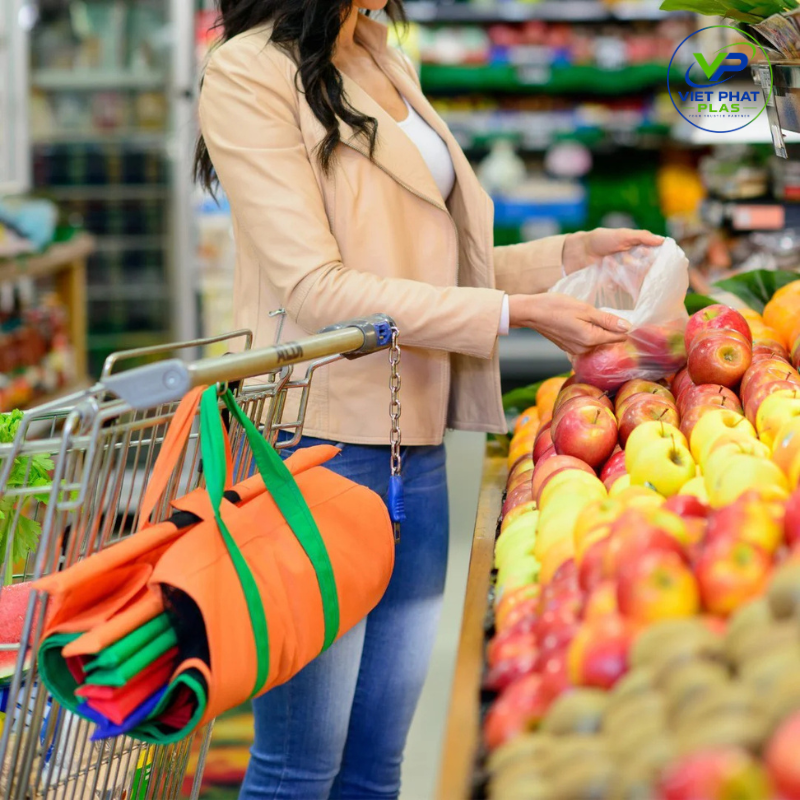 Plastic bags on roll are widely used in supermarkets thanks to their convenience, hygiene, and cost efficiency in high-volume retail environments
In supermarket settings, these bags are commonly used for:
-
Fruits and vegetables
-
Meat and seafood
-
Bakery items
-
Bulk food packaging
A reliable plastic bags on roll manufacturer ensures smooth perforation and consistent bag quality, which directly impacts user experience.
Types of Plastic Bags on Roll for Supermarkets
Selecting the right material is crucial for supermarket operations. Each type of plastic affects strength, clarity, and cost.
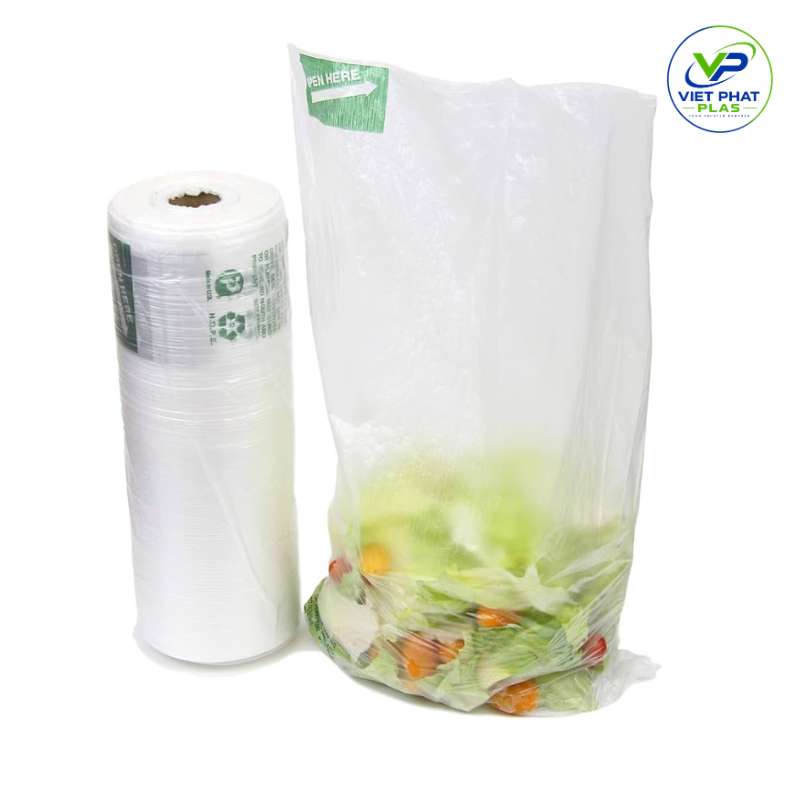
Choosing a reliable plastic bags on roll manufacturer ensures consistent quality, durability, and efficient performance for daily supermarket operations.
1. HDPE Bags - The Supermarket Standard
High-Density Polyethylene (HDPE) is the most common material for plastic bags on roll in supermarkets.
Why HDPE is preferred:
-
Lightweight but strong
-
Cost-efficient
-
Ideal for high-volume usage
Typical uses in supermarkets:
-
Produce bags for fruits and vegetables
-
General-purpose grocery bags
HDPE is the top choice for retailers looking to optimize plastic bags on roll price without sacrificing functionality.
2. LDPE Bags - For Clarity and Softness
Low-Density Polyethylene (LDPE) offers better transparency and flexibility compared to HDPE.
Best used for:
- Bakery items, where clear packaging helps showcase freshness and improve product appeal
- Pre-packaged foods, ensuring convenient handling while maintaining visibility and hygiene
- Items requiring better visibility, allowing customers to easily identify contents and enhancing overall shopping experience
Although LDPE is slightly more expensive, supermarkets often use it for premium presentation areas.
3. LLDPE Bags - For Heavy or Wet Products
LLDPE helps reduce breakage and product loss, making it a practical choice when performance matters more than price.
4. MDPE Bags - Balanced Performance
Medium Density Polyethylene (MDPE) is widely used in packaging because it offers an ideal balance between flexibility and strength, making it suitable for a variety of retail and supermarket applications where both durability and handling ease are important.
Use cases include mixed product packaging, where materials of different weights and textures require a bag that can adapt without tearing, as well as specialty supermarket sections such as deli, produce, and frozen goods areas, where reliability and material consistency are essential for daily operations and customer convenience.
While less common, MDPE can be useful for specific operational needs.
Understanding these material types allows supermarkets to work effectively with a plastic bags on roll manufacturer and select the right bags for each department.
>>> View more: https://vietphatplas.com/en/blogs/core-qualities-of-the-best-plastic-bag-factory-you-should-know-vietphatplas
5 Practical Tips to Buy Plastic Bags on Roll at a Lower Cost (Supermarket Focus)
For supermarkets, optimizing packaging costs is not simply about finding the lowest plastic bags on roll price. It is about aligning product specifications with real usage, improving operational efficiency, and working with the right plastic bags on roll manufacturer. Below are five practical strategies to help supermarkets buy plastic bags on roll more effectively while maintaining performance and quality.
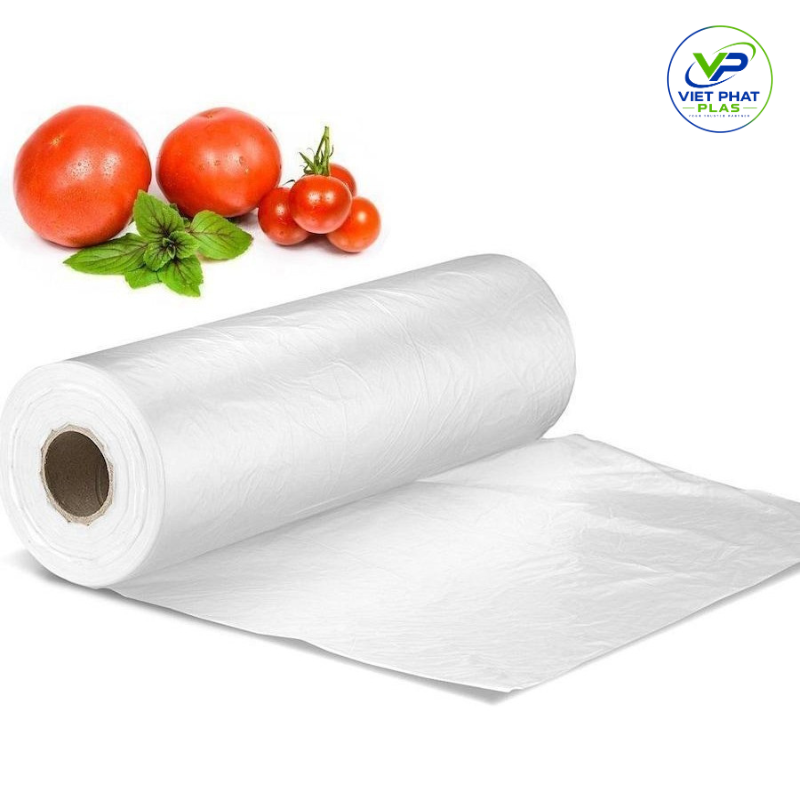
Optimizing plastic bags on roll price requires selecting the right material, thickness, and production specifications based on actual usage needs.
1. Optimize Bag Thickness Based on Product Type
Not all supermarket products require the same level of strength, and over-specifying thickness is one of the most common reasons for unnecessary cost increases.
For example, fruits and vegetables typically require 6–10 micron HDPE bags, which are lightweight yet strong enough for daily use. Bakery items often work well with 10–15 micron bags, offering slightly better structure without significantly increasing cost. For meat and seafood, thicker LLDPE bags are recommended due to their superior puncture resistance and leak protection.
By selecting the right material and thickness for each application, supermarkets can significantly reduce plastic bags on roll price while still ensuring durability. A professional plastic bags on roll manufacturer can also advise on material optimization to avoid overuse of plastic.
2. Standardize Bag Sizes Across Departments
Using too many bag sizes across different sections can increase complexity in inventory management and production. Instead, supermarkets should standardize bag sizes wherever possible, especially for similar product categories such as produce or dry goods.
This approach offers several advantages:
- Easier inventory tracking and stock control, as standardized packaging from a plastic bags on roll manufacturer helps businesses manage quantities more accurately and reduces manual counting errors.
- Reduced production costs when ordering from a plastic bags on roll manufacturer, thanks to bulk manufacturing efficiency, optimized material usage, and lower per-unit pricing for large-scale orders.
- Faster replenishment and fewer operational disruptions, since consistent roll formats ensure smoother reordering processes and minimize downtime in daily operations.
When supermarkets buy plastic bags on roll in standardized sizes and large volumes, they can benefit from better pricing and more efficient supply chain management.
3. Reduce Printing Costs for Functional Bags
In most supermarket applications, plastic bags are used primarily for hygiene and convenience rather than branding. However, unnecessary printing especially multi-color designs can significantly increase production costs.
To optimize plastic bags on roll price, supermarkets should:
- Use plain or unprinted bags for produce and fresh food sections to maintain a clean and hygienic presentation while reducing unnecessary printing costs and material usage.
- Limit printing to one color when branding is required, ensuring a simple, cost-efficient design that still maintains clear brand recognition and visual consistency across packaging.
- Reserve premium packaging designs for high-value products, allowing businesses to highlight and differentiate key items while optimizing overall packaging expenses.
By simplifying design requirements, businesses can reduce manufacturing costs when working with a plastic bags on roll manufacturer, without affecting functionality.
4. Increase Roll Efficiency (More Bags per Roll)
Supermarkets use a high volume of bags every day, especially during peak hours. Increasing the number of bags per roll from 100–200 to 500–1000 bags can significantly improve efficiency.
Key benefits include:
- Fewer roll changes, reducing staff workload and improving overall operational efficiency, especially in high-traffic environments such as supermarkets and retail stores
- Lower packaging material usage (cores, cartons, wrapping), helping businesses minimize unnecessary waste and improve sustainability in daily operations
- Reduced transportation and storage costs thanks to more optimized packaging design, allowing higher volume per shipment and more efficient warehouse space utilization
This strategy directly lowers the total cost when businesses buy plastic bags on roll, while also improving operational flow in busy retail environments.
5. Partner with a Reliable Manufacturer for Bulk Orders
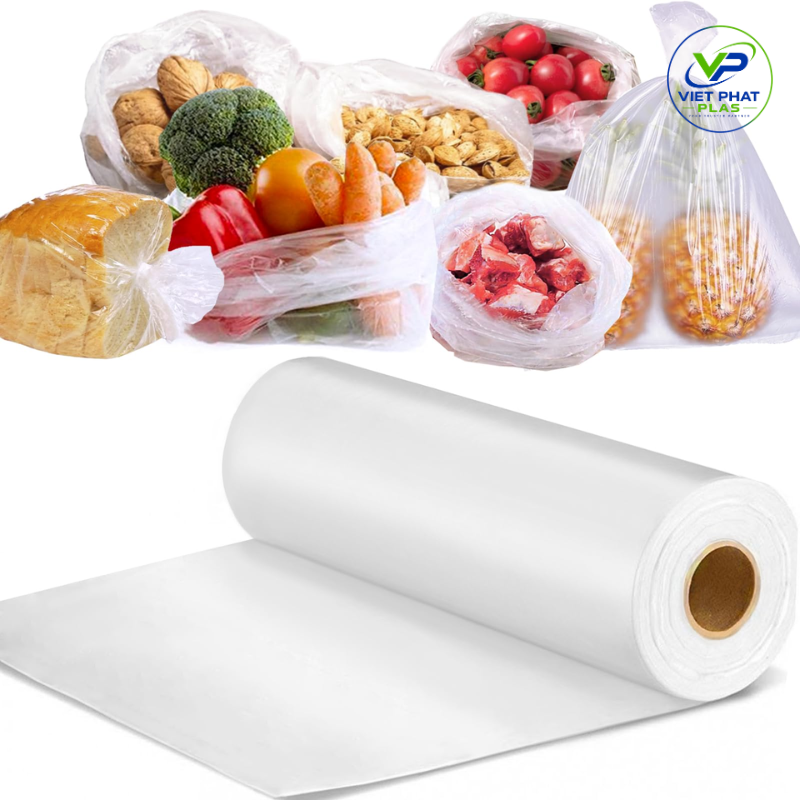 Many supermarkets choose to buy plastic bags on roll in bulk to streamline operations, reduce restocking frequency, and improve overall cost efficiency.
Choosing the right plastic bags on roll manufacturer is critical for long-term cost control and product consistency. A reliable supplier does more than just provide products they act as a strategic partner in optimizing packaging solutions.
A trusted manufacturer can:
- Offer stable and competitive plastic bags on roll price across large orders, helping businesses optimize cost efficiency while maintaining long-term supply stability
- Maintain consistent quality, ensuring each roll performs reliably in daily use, with good strength, durability, and resistance to tearing or leakage
- Provide customized specifications tailored to supermarket operations, including different sizes, thickness levels, and packaging formats to match specific usage needs
For large retail chains, bulk purchasing is essential. Not only does it reduce unit costs, but it also ensures a stable supply, preventing stock shortages during high-demand periods. Businesses that consistently buy plastic bags on roll from a dependable manufacturer gain both cost advantages and operational security.
VietPhatPlas - Plastic Bags on Roll Manufacturer for Supermarkets
For supermarkets looking for a trusted plastic bags on roll manufacturer, VietPhatPlas provides a strong combination of quality, scalability, and cost efficiency.
With advanced production systems, VietPhatPlas delivers:
-
Durable and easy-to-tear bags
-
Custom sizes and thickness options
-
Competitive pricing for bulk orders
Businesses that buy plastic bags on roll from VietPhatPlas benefit from reliable supply and optimized plastic bags on roll price, helping improve both operational efficiency and cost control.
>>> View VietPhatPlas products: https://vietphatplas.com/en/products
Contact us for consultation and quick quotation:
-
Phone: +84 342 815 298
-
Website: https://vietphatplas.com/vi
-
Office: No.119, Alley 7, Quan Chay Street, An Khanh Commune, Hanoi
-
Factory: No.119, Alley 7, Quan Chay Street, An Khanh Commune, Hanoi