Zipper Plastic Bags for Clothes: Durable Packaging Solutions
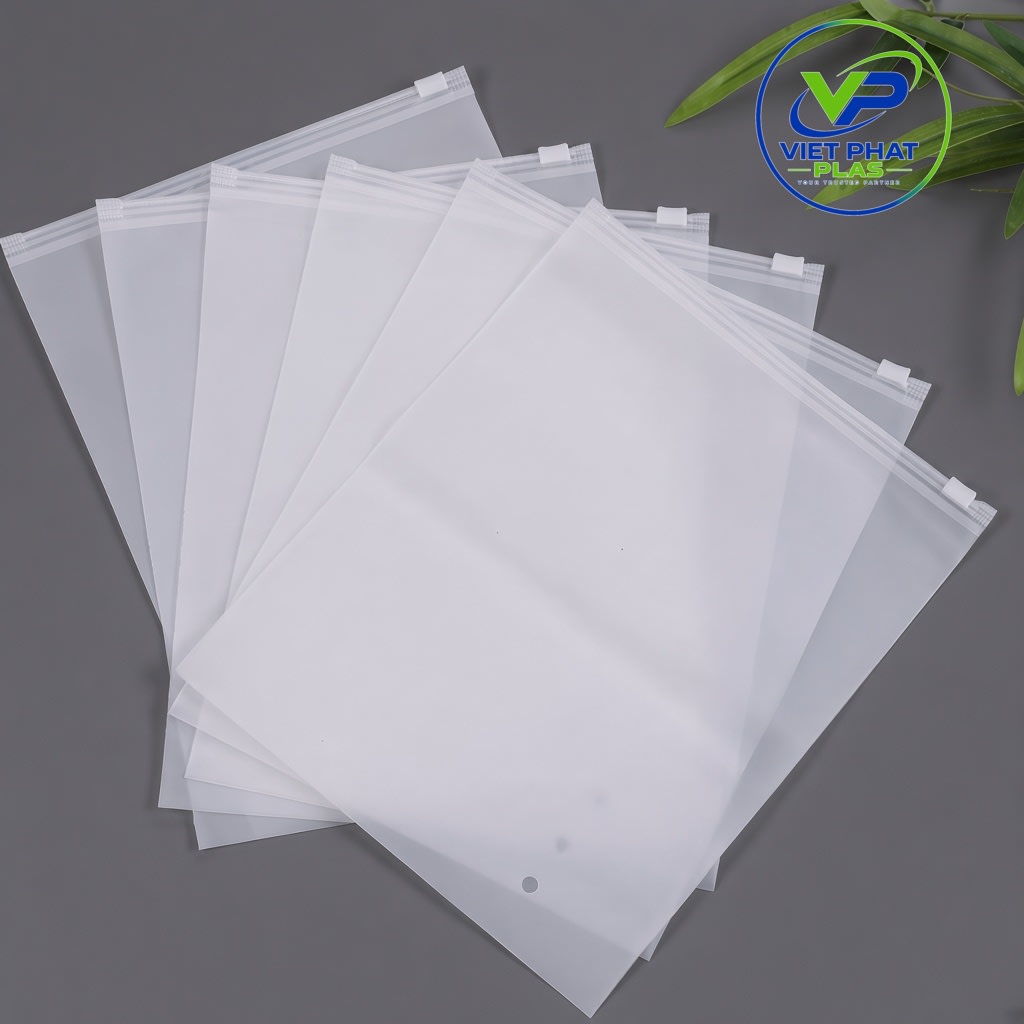
Zipper plastic bags for clothes do more than keep garments clean on the way to a customer — the right thickness, bag format, and compliance details (like suffocation-warning labeling) can be the difference between a shipment that sails through customs and retail checks and one that gets flagged. This guide covers what actually determines the right garment zipper bag, a legal detail most suppliers don't mention, and VietPhatPlas's real, verifiable production standards.
Zipper plastic bags for clothes get treated as an afterthought more often than they should be, given how much they're actually doing: protecting garments from moisture and dust in transit, letting a customer reseal an item after trying it on, and — for resealable packaging for clothing shipped into certain markets — carrying a legally required warning label. Garment zipper bags and frosted zipper bags for clothing aren't interchangeable with generic poly bags for apparel industry use; the right choice depends on the garment, the destination market, and how the bag will be used after it leaves the factory.
This guide walks through what actually determines the right zipper bag for a clothing order — material, thickness, and format — a compliance detail most supplier pages skip entirely, and the real, verifiable production standards behind VietPhatPlas's garment packaging.
Why Garment Packaging Needs More Than a Plain Bag
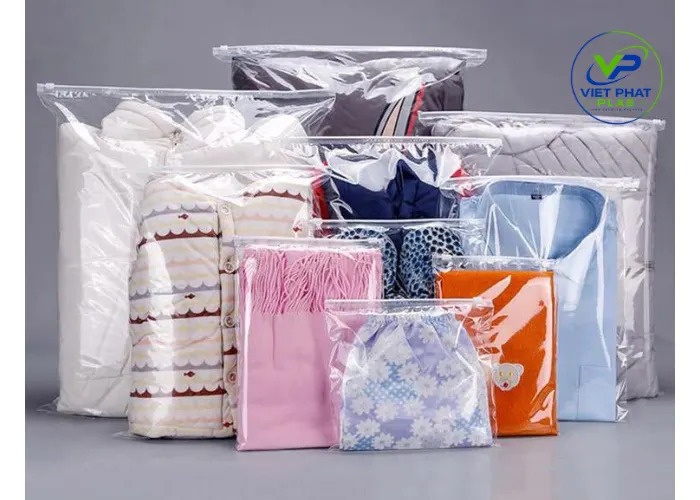
Folded garment visible inside a clear zipper plastic bag
A garment sitting in a warehouse or shipping container for weeks needs protection from moisture and dust that a loosely folded wrap doesn't provide. A resealable closure adds something a one-time heat-seal bag can't: a customer — or a retail associate doing a fitting-room return — can open and reclose the bag without destroying it, which matters for brands that expect a share of garments to be tried, returned, or re-displayed before final sale.
What Makes a Zipper Bag the Right Fit for Clothing
VietPhatPlas produces garment zipper bags in LDPE and LLDPE — LDPE for standard clarity and flexibility, LLDPE where a thinner film still needs to resist puncturing from folded seams, buttons, or zippers on the garment itself. Both materials hold up to repeated opening and reclosing better than more brittle films, which matters since resealable packaging for clothing is, by design, meant to be opened more than once. (For how these materials compare across other bag types and use cases beyond garments, see our plastic bag materials guide for B2B buyers.) A press-to-close zipper track is also a different closure mechanism from a slider closure — see our slider vs. zipper closure comparison if you're sourcing both bag types and want to understand the tradeoffs, though that guide is written for food-storage use rather than garments.
Matching Bag Format to Garment Type
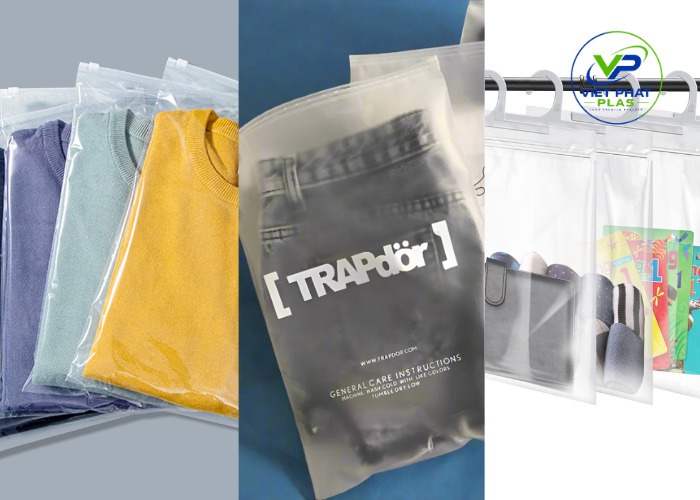
Different styles of zipper plastic bags, are widely used in garment packaging
Not every garment needs the same bag format. For flat, lightweight items — T-shirts, polos, casual shirts — a simple flat zipper bag is enough. Bulkier items like sweaters, winter jackets, or multi-piece sets benefit from a gusseted (side-folded) zipper bag, which holds its shape around thicker folded fabric without stressing the seal. Garments meant to stay on a hanger through the supply chain — suits, dresses, coats — use a hanger-style bag with a zipper closure and a cut-out or reinforced opening at the top for the hook, rather than a flat-bottomed bag. Matching the format to the garment avoids two common problems: a flat bag stretched too tight around a bulky item (which stresses the zipper track) and an oversized gusseted bag used for a thin item (which wastes film and looks underfilled on a retail shelf).
Thickness That Actually Matters: A Mil-to-Micron Guide
Film thickness for garment bags is usually specified in mil in the US and micron elsewhere, which causes real confusion in cross-border sourcing: 1 mil equals 25.4 microns (also written as 100 gauge). Lighter garments in flat bags typically run in a 1.5–2.5 mil (about 38–64 micron) range for a balance of clarity and tear resistance, while bulkier gusseted or hanger formats for heavier garments often move up toward 3–4 mil (about 76–102 micron) for added durability during handling. The right number depends on the garment's weight and how roughly the bag will be handled in transit — a buyer should confirm thickness against their specific product rather than assume a single spec covers every SKU. (For the same conversion applied across other bag types and use cases beyond garments, see our plastic bag thickness guide.)
The Compliance Detail Most Suppliers Skip
A detail that rarely shows up on supplier pages but matters for buyers shipping into the US: five states (Massachusetts, California, New York, Rhode Island, and Virginia) and two cities (New York City and Chicago) have suffocation-warning laws that apply to plastic bags of 1 mil thickness or less, with specific size thresholds that vary by state — California's applies to bags with an opening larger than 25 inches or a capacity of 125 cubic inches, Rhode Island's to an opening over 5 inches in diameter, and Massachusetts/New York/New York City to a combined length-and-width of 25 inches or more with a 7-inch opening. Separately, Amazon's FBA program has its own, stricter requirement: a minimum 1.5 mil thickness for poly bags, plus a mandatory suffocation warning on any bag with an opening of 5 inches or larger. Neither of these is a certification VietPhatPlas holds — they're buyer-side compliance requirements that depend on the destination market and sales channel, which is exactly why it's worth confirming with a supplier before finalizing a garment bag spec rather than assuming a generic "safety compliant" label covers it.
Custom Printing and Retail-Ready Branding
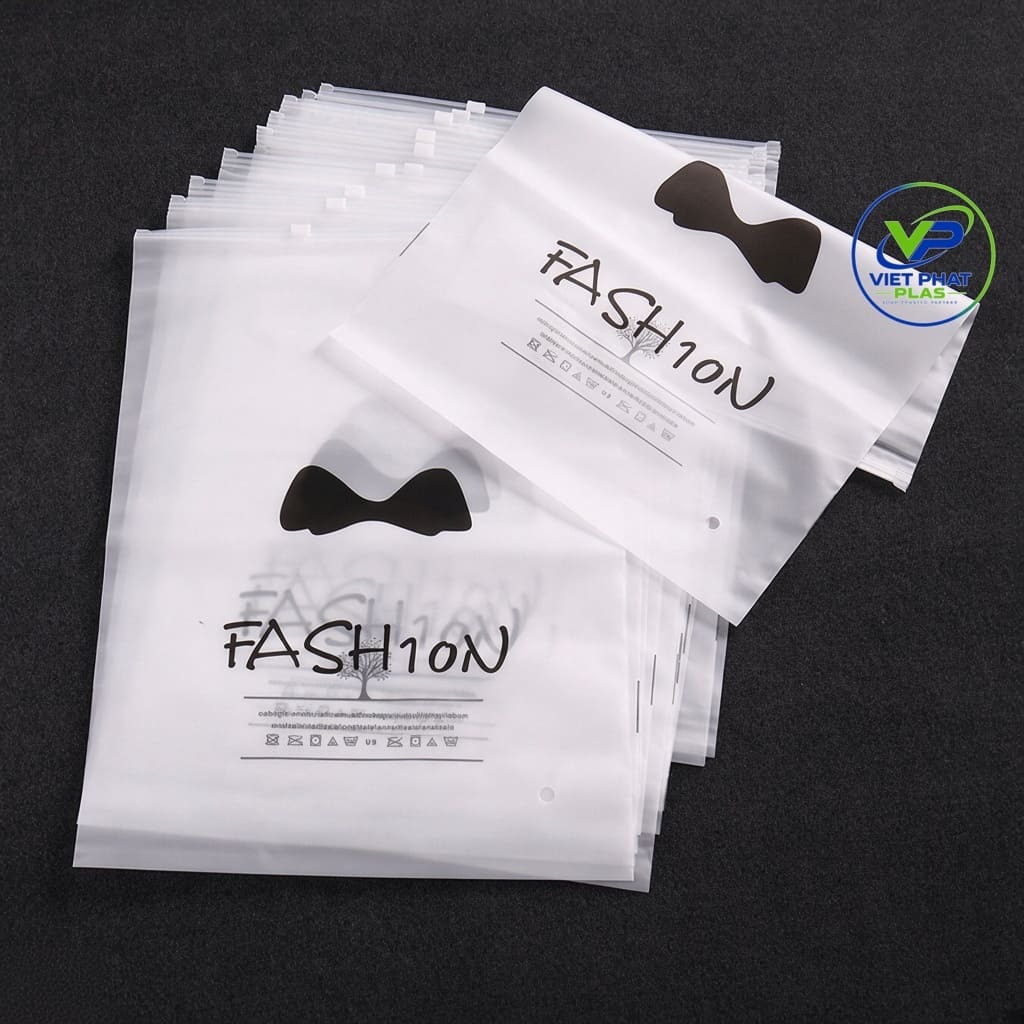
Zipper garment bag printed with a fashion brand logo
Custom printing on garment zipper bags — logo, care instructions, a matte or frosted finish — turns packaging into a retail touchpoint rather than just a container. A Dotcom Distribution survey reported by Retail Dive found that 52% of online shoppers said they were likely to make repeat purchases from a retailer whose orders arrived in premium packaging; that finding is about e-commerce packaging broadly, not garment zipper bags specifically, but it's a real, traceable data point rather than an invented recall statistic, and it's directionally relevant for apparel brands deciding whether a plain poly bag or a custom-printed one is worth the difference.
Behind Every Garment Bag: VietPhatPlas's Real Production Standards
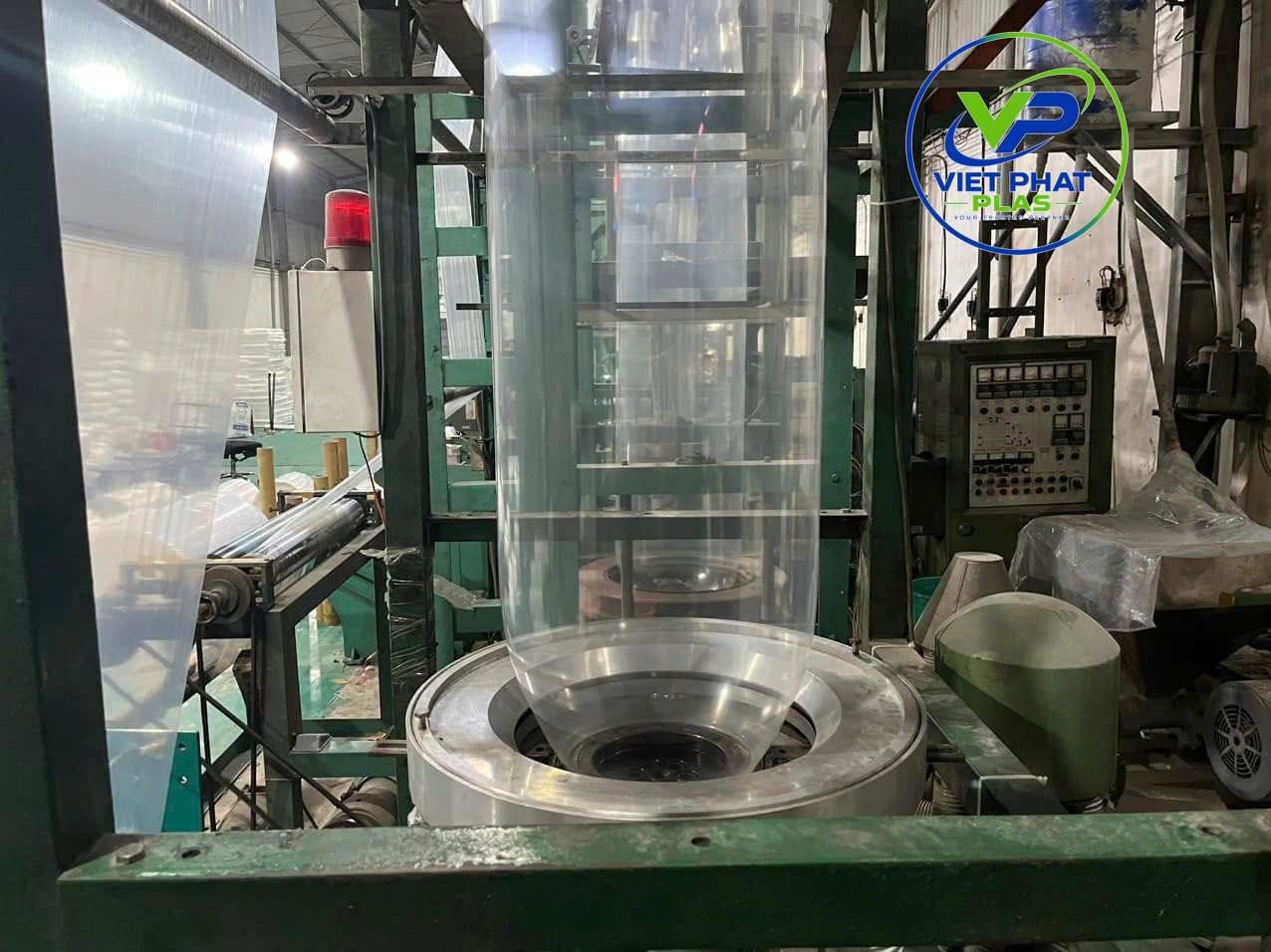
VietPhatPlas Plastic Factory
What should actually back up a garment packaging order is traceability, not a size claim on a webpage: VietPhatPlas issues an independent third-party SGS test report for each production batch rather than a self-reported defect rate — the kind of documentation worth asking any supplier for directly. That standard runs through an 8,000 m² facility in Vietnam that has shipped garment packaging to more than 20 countries over 10+ years, at capacity up to 500 tons per month. For buyers planning a specific garment order, our commercial zipper bag guide covers packing counts, lead times, and sizing considerations that apply across product categories, not just clothing. Our full zipper bag manufacturing capabilities and wholesale pricing guide cover the broader product range and cost factors for a custom run.
Zipper Bag Formats at a Glance
|
Format |
Best For |
Typical Thickness |
|
Flat zipper bag |
T-shirts, polos, casual shirts, lightweight items |
~1.5–2.5 mil (38–64 micron) |
|
Gusseted zipper bag |
Sweaters, jackets, multi-piece sets, bulkier items |
~3–4 mil (76–102 micron) |
|
Hanger-style zipper bag |
Suits, dresses, coats kept on a hanger through the supply chain |
~2.5–4 mil, reinforced opening |
FAQ
What material are VietPhatPlas's zipper plastic bags for clothes made from?
LDPE and LLDPE. LLDPE is used where thinner film still needs to resist puncturing from folded seams, buttons, or zippers on the garment itself.
Do garment zipper bags need a suffocation warning label?
It depends on the destination market and the bag's size and thickness. Five US states and two cities require a warning on plastic bags of 1 mil or less above certain size thresholds, and Amazon's FBA program has its own stricter rule (minimum 1.5 mil, warning required on openings of 5 inches or more). Confirm the requirement for your specific market and sales channel before finalizing a spec.
What thickness should I order for heavier garments like jackets or sweaters?
Heavier, bulkier garments typically need a gusseted bag in the 3–4 mil (76–102 micron) range rather than the 1.5–2.5 mil used for flat, lightweight items, since thicker folded fabric puts more stress on a thin film and its seal.
Does custom-printed garment packaging actually affect repeat purchases?
There's a real, traceable data point suggesting it can: a Dotcom Distribution survey (via Retail Dive) found 52% of online shoppers said premium packaging made them more likely to buy again from a retailer. It's a general e-commerce finding, not apparel-specific, so treat it as directional rather than a guarantee.
Conclusion
Zipper plastic bags for clothes are a bigger decision than they look like on a quotation sheet: material, thickness, bag format, and — for certain markets — a legally required warning label all affect whether a shipment moves smoothly from factory to retail floor. Getting the format and thickness matched to the garment, and confirming compliance requirements for the destination market up front, avoids costs and delays that are easy to trace back to the packaging spec after the fact.
VietPhatPlas manufactures garment zipper bags in Vietnam with custom sizing, thickness, and printing options. Contact VietPhatPlas to confirm the right spec for your garment line.
Sources