Rising Plastic Prices, Supply Disruptions: Challenges for Manufacturers and Businesses

Rising Plastic Prices are driven by supply chain disruptions, raw material shortages, and increasing production costs. These challenges are significantly impacting plastic manufacturers, forcing businesses to seek reliable suppliers and cost-effective solutions to maintain stable operations in 2026.
Rising Plastic Prices are driven by supply chain disruptions, raw material shortages, and increasing production costs. These challenges are significantly impacting plastic manufacturers, forcing businesses to seek reliable suppliers and cost-effective solutions to maintain stable operations in 2026.
Rising Plastic Prices reshape global manufacturing landscape
Rising Plastic Prices are becoming one of the most pressing challenges for manufacturers and businesses worldwide in 2026. Over the past three months, the global plastics industry has witnessed sharp increases in raw material costs, driven by supply instability, rising feedstock prices, and disruptions in key petrochemical regions.
According to recent industry reports, prices of major plastic resins such as polyethylene (PE) and polypropylene (PP) have surged between 20% and 50% in several Asian markets. In Vietnam, HDPE prices have increased by approximately 45%, while PVC rose by over 30%, reflecting a broader global trend.
These fluctuations are not isolated. They are closely tied to supply chain disruptions, rising logistics costs, and tightening availability of raw materials. As a result, both small and large manufacturers are being forced to rethink their sourcing strategies and operational planning.
Supply chain disruptions intensify raw material shortages
The recent wave of supply chain disruptions has significantly affected the availability of plastic resins across global markets. A large portion of the world’s petrochemical production is concentrated in regions that are currently facing geopolitical and logistical instability. This has created bottlenecks in supply routes and extended delivery lead times.
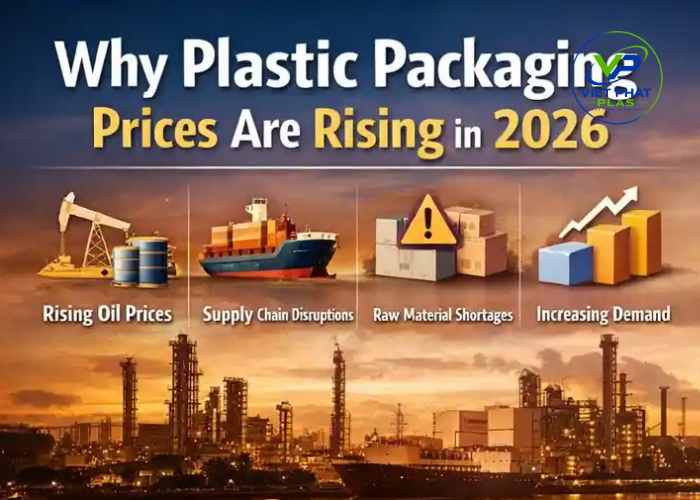
Why plastic packaging prices are rising in 2026
This chain reaction can be summarized as:
Geopolitical tension → Rising oil prices → supply chain disruptions → raw material shortages → increasing demand pressure → plastic price increase
Industry data shows that:
-
Over 40% of global polyethylene exports originate from the Middle East
-
Shipping costs for petrochemical products have increased by 15–25% in Q1 2026
-
Lead times for resin imports in Southeast Asia have extended by 2–4 weeks
-
Polyethylene (PE) prices increased by 20–50% globally
-
Chi phí vận chuyển và bảo hiểm hàng hóa hóa dầu tăng từ 15–25%
These factors combined have intensified supply chain disruptions, pushing plastic prices upward across multiple markets.
In addition, several major chemical producers have declared force majeure or reduced output due to feedstock constraints. This has further tightened global supply, creating an environment where buyers are competing for limited material availability.
Impact on plastic manufacturers: both small and large players under pressure
Impact on availability
The current supply chain disruptions are not limited to pricing. They are also affecting availability and delivery timelines.
Several major petrochemical suppliers have reduced output or delayed shipments due to feedstock shortages and logistics constraints. At the same time, longer transit times have made it difficult for buyers to plan production cycles accurately.
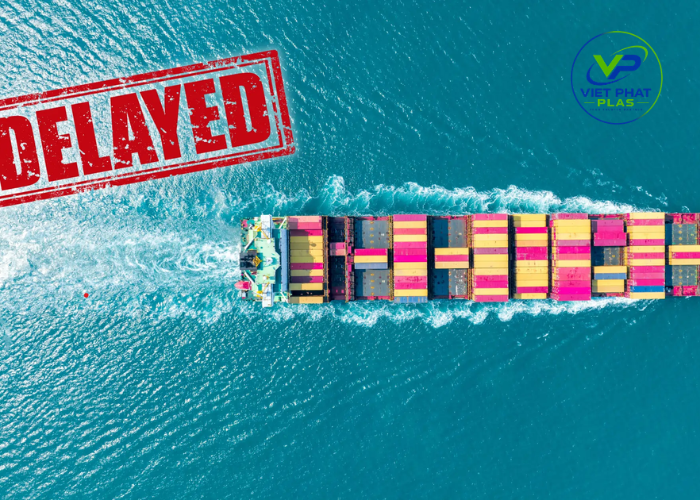
Supply chain disruptions
Key impacts observed in the past 1–3 months include:
-
Extended lead times by 2–4 weeks in Southeast Asia
-
Irregular shipment schedules from key exporting regions
-
Increased competition among buyers for limited resin supply
As a result, many companies are forced to place orders earlier or accept higher prices to secure materials. This has created a more unpredictable sourcing environment.
Impact on plastic manufacturers
Impact on plastic manufacturers: both small and large players under pressure
The impact on plastic manufacturers is significant across all segments, though the level of resilience varies.
Small and medium-sized manufacturers are the most vulnerable. Many operate with limited working capital and rely on short-term purchasing. As prices rise quickly, they struggle to maintain production:
-
Some factories are running at 20–30% capacity
-
Others have delayed or cancelled orders due to cost increases
However, large manufacturers are not immune. While they have stronger supplier networks and inventory buffers, they are still facing:
-
Delayed deliveries due to upstream shortages
-
Increased production costs affecting margins
-
Pressure to meet committed delivery schedules
Major listed firms such as Binh Minh Plastics JSC and Tien Phong Plastic JSC have also adjusted HDPE product prices in response to tightening supply and rising costs.
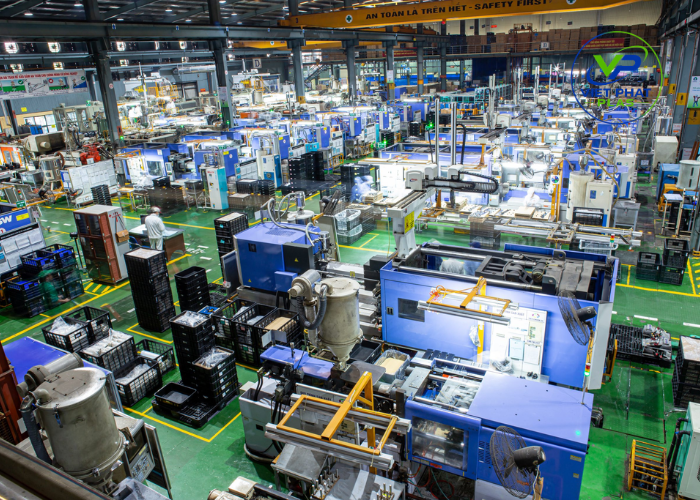
Manufacturers adjust prices to market volatility
In reality, the difference is not whether companies are affected, but how long they can absorb the impact. Larger firms may sustain operations longer, but they are also experiencing slower output and delivery delays.
This shows that the impact on plastic manufacturers is widespread, affecting the entire supply chain rather than just one segment.
Rising costs are reshaping business decisions
With raw materials accounting for a large share of production costs, the rise in resin prices is forcing businesses to make difficult decisions.
Manufacturers and buyers are facing:
-
Higher product pricing or reduced margins
-
Contract renegotiations with clients
-
Increased financial risk due to price volatility
For packaging buyers, especially in retail and FMCG sectors, this creates uncertainty in cost planning. Many businesses are now prioritizing supply stability over price alone.
This shift in mindset is a direct result of ongoing supply chain disruptions, where consistent supply has become as important as competitive pricing.
Solution for business: adapting to a volatile market
Prioritize suppliers with stable inventory capacity
Inventory levels are emerging as a key factor in determining resilience to raw material price shocks. Companies with sufficient stock can maintain production and delivery even when supply becomes unstable.
Market data shows that large manufacturers maintained stable raw material inventories, allowing them to sustain production for 2–3 months despite rising prices. In contrast, businesses with lower inventory levels faced greater pressure, even if they had access to stable supply channels.
=> Choosing these manufacturers will help stabilize the supply for the business.
>>>> For businesses looking to secure stable supply and updated pricing, you can request a quotation here: https://vietphatplas.com/en/contact-us
Work with suppliers that have direct production control
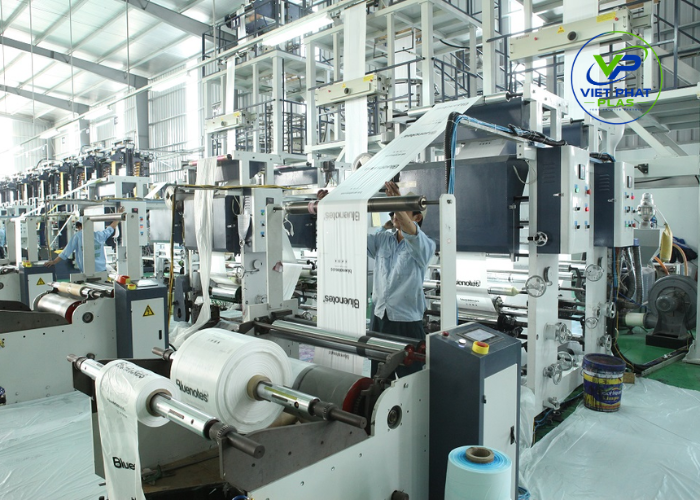
Strong plastic suppliers stay ahead of price fluctuations
Another key observation from recent market behavior is that companies with in-house manufacturing capabilities are more resilient to disruptions.
Unlike trading intermediaries, manufacturers can: Adjust production schedules, optimize material usage, provide more accurate delivery timelines
For business, this reduces the risk of delays caused by upstream uncertainty, making it a reliable solution for business continuity.
Conclusion
Rising Plastic Prices and ongoing supply chain disruptions are no longer short-term challenges but structural shifts affecting the global plastics industry.
In this environment, businesses are moving beyond price-focused decisions. Instead, they are prioritizing stability, reliability, and long-term supply security. Choosing partners with strong inventory capacity and direct production control is becoming a practical solution for business continuity.