Mulch Film: A Complete Guide for Modern Agriculture

Discover mulch film benefits, types, and applications with VietPhatPlas. Learn how agricultural mulch film improves yield, saves water, and optimizes farming efficiency.
Mulch film plays a vital role in modern agriculture by helping farmers control soil conditions and improve crop productivity. With the use of agricultural mulch film, it becomes easier to retain moisture, suppress weeds, and regulate temperature. This article explores the key mulch film benefits, specifications, and practical applications.
What Are Mulch Films?
Mulch film, also known as plastic mulch film, refers to thin sheets of material placed over the soil in agricultural fields or gardens. This type of agricultural mulch film acts as a protective barrier between the soil and the external environment, helping to control various factors that influence plant growth.
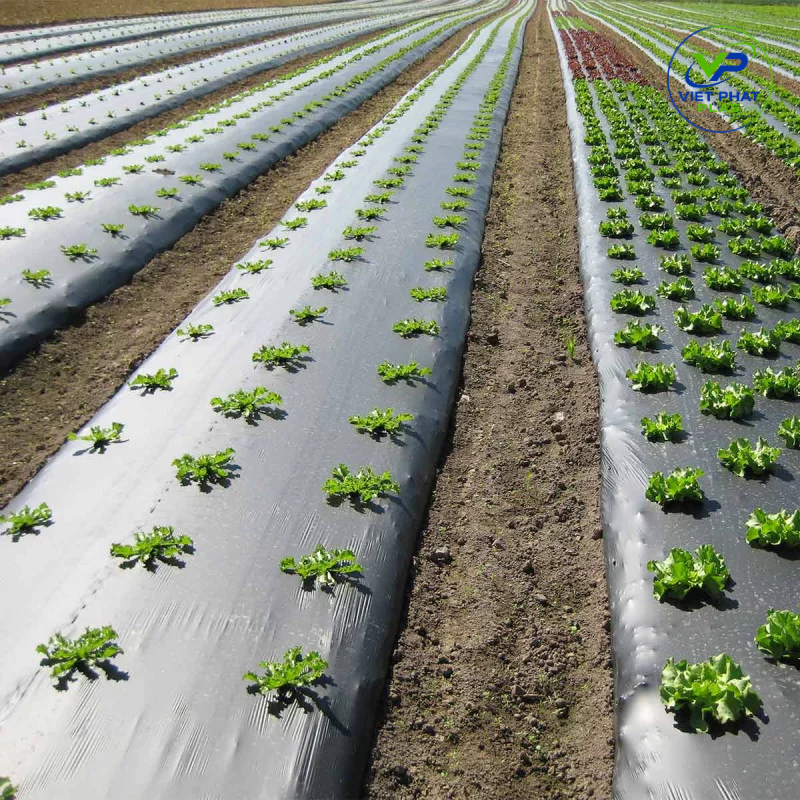
Mulch film helps improve soil conditions, creating an ideal environment for stable and sustainable crop growth.
The use of mulch film has become increasingly popular due to its ability to enhance crop performance while reducing manual labor and resource consumption.
Key Mulch Film Benefits
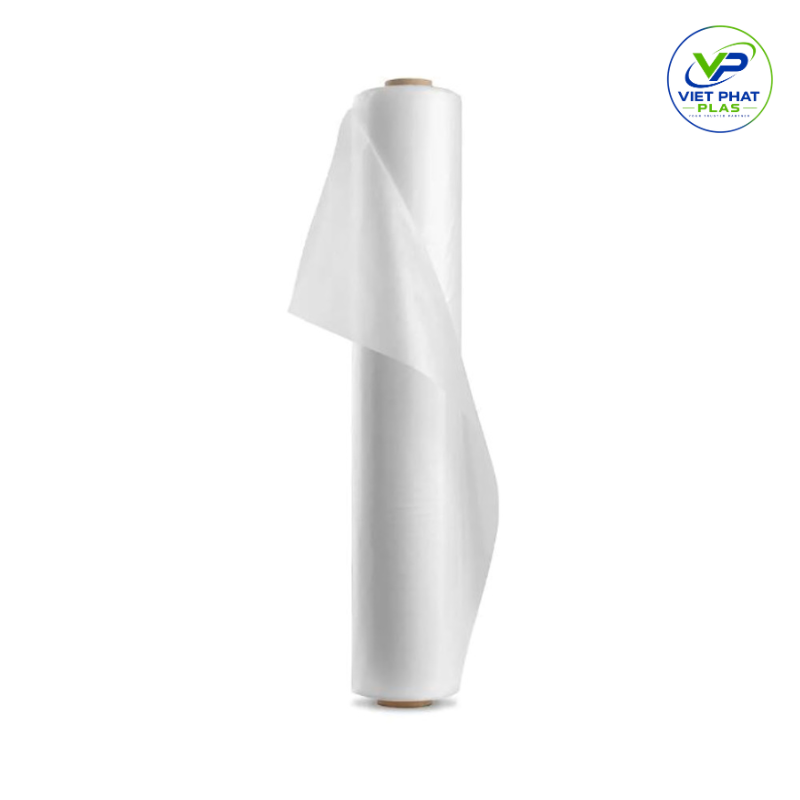
The key mulch film benefits include higher yield, better water efficiency, and improved crop quality in modern farming.
The growing popularity of plastic mulch film is largely due to the wide range of benefits it provides:
- Weed Suppression: By blocking sunlight, mulch film effectively prevents weeds from germinating and competing with crops for essential nutrients and water.
- Moisture Retention: One of the key benefits of mulch film is its ability to reduce water evaporation, helping maintain stable soil moisture levels for longer periods and supporting plant growth.
- Temperature Regulation: Agricultural mulch film helps keep soil temperature more consistent, creating a favorable environment for faster germination and stronger root development.
- Soil Erosion Prevention: By covering the soil surface, mulch film protects against erosion caused by wind and heavy rainfall, preserving soil structure and fertility.
- Improved Crop Yield: With these combined benefits, farmers can achieve higher productivity, better crop quality, and more efficient use of resources.
These mulch film benefits make it an essential component in modern farming systems.
Specifications of Mulch Film
The performance of mulch film largely depends on its technical specifications. Choosing the right agricultural mulch film ensures better efficiency and long-term cost optimization.
- Material: LDPE (Low-Density Polyethylene), providing excellent flexibility, durability, and suitability for agricultural applications.
- Thickness: 30 – 150 microns, allowing farmers to choose the appropriate level of strength and coverage depending on crop type and field conditions.
- Width: 1500 – 2500 mm, offering wide coverage for efficient field application and reduced installation time.
- Customization: Dimensions and thickness can be customized to suit different crops and farming conditions, ensuring optimal performance across various agricultural systems.
- Durability: Designed with UV resistance to withstand harsh environmental conditions, helping extend product lifespan under prolonged sun exposure.
- Application: Suitable for vegetables, fruits, flowers, and various crop production systems, making it a versatile solution for modern agriculture.
- Function: Supports moisture retention, weed suppression, and temperature control, contributing to healthier crop growth and improved yield.
With these flexible options, plastic mulch film can be tailored to meet different agricultural needs while optimizing overall mulch film price efficiency.
Common Types of Mulch Films
There are several types of mulch film available on the market, each designed to serve specific purposes and deliver unique mulch film benefits.
Plastic Mulch Film
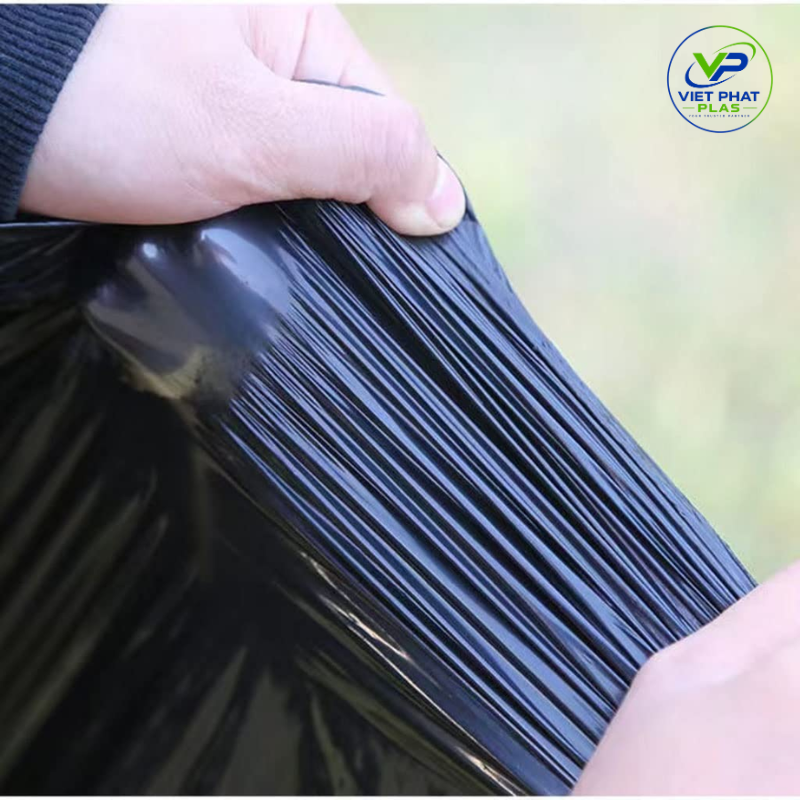
Plastic mulch film is widely used in agriculture thanks to its ability to retain moisture, suppress weeds, and enhance productivity.
Plastic mulch film is the most commonly used type in agriculture due to its versatility and cost-effectiveness.
- Black mulch film: Absorbs heat effectively, warms the soil, and provides excellent weed control, making it ideal for crops that benefit from higher soil temperatures and minimal weed competition.
- Clear mulch film: Allows sunlight to pass through, increasing soil temperature for faster germination, but may also promote weed growth if not managed properly.
- Black and silver mulch film: Reflects light to improve plant growth and helps reduce pests, while also offering partial weed control and better crop protection in open-field conditions.
These types of agricultural mulch film are widely used for crops such as tomatoes, strawberries, peppers, and melons.
Biodegradable Mulch Film
Biodegradable mulch film is an eco-friendly alternative made from natural materials such as starch or polylactic acid (PLA). Unlike traditional plastic mulch film, this type decomposes naturally after use, reducing environmental impact while still delivering essential mulch film benefits.
HDPE Films
HDPE-based agricultural mulch film is known for its strength and durability. Although less common, it is used in specific farming applications where higher mechanical resistance is required.
How to Use Mulch Film Effectively
Using mulch film correctly is crucial to maximizing its performance and achieving the best mulch film benefits.
Prepare the Soil
Start by preparing the soil thoroughly. Remove weeds, stones, and debris, and loosen the soil to improve aeration and root penetration. Testing soil pH and nutrient levels is also recommended to ensure optimal growing conditions and balanced fertilization before applying mulch film.
Select the Right Film
Choosing the right plastic mulch film depends on several factors, including crop type, climate conditions, and farming goals. By selecting the appropriate agricultural mulch film, farmers can optimize performance in terms of weed control, moisture retention, and temperature regulation, while also keeping the mulch film price cost-effective and aligned with their overall budget.
Lay the Film
Roll out the mulch film evenly over the soil surface, ensuring it lies flat without wrinkles to maintain consistent coverage. Make sure the film is properly aligned and slightly overlapped at the edges to prevent gaps where weeds may grow and to enhance overall effectiveness.
Secure the Edges
Secure the edges of the mulch film using soil, stakes, or pins to hold it firmly in place. This step is important to prevent the film from shifting due to wind, irrigation water, or field movement, ensuring consistent ground coverage and long-lasting performance throughout the growing season.
Cut Slits for Planting
Create small holes in the plastic mulch film for planting seeds or seedlings, ensuring proper spacing based on crop requirements. This allows crops to grow through the film while still benefiting from moisture retention, weed suppression, and improved soil temperature control throughout the growing cycle.
Monitor and Maintain
Regular maintenance is essential to ensure long-term effectiveness. Check the mulch film regularly for damage and repair any tears promptly to prevent further spreading or performance loss. Proper maintenance helps preserve the value of your investment and ensures stable performance over time, while also supporting consistent mulch film price efficiency by reducing replacement frequency and overall operational costs.
People Also Ask About Mulch Film
What is the lifespan of mulch film?
The lifespan of mulch film depends on its material, thickness, and field conditions. Standard plastic mulch film is typically designed to last for one growing season, providing effective weed control, moisture retention, and temperature regulation throughout a full crop cycle.
In contrast, thicker or specialized agricultural mulch film—such as UV-resistant or reinforced versions—can last longer under certain conditions, offering extended durability for multi-season use depending on climate and farming practices.
What is mulch film made of?
Most mulch film products are made from polyethylene materials such as LDPE (Low-Density Polyethylene) or LLDPE (Linear Low-Density Polyethylene), which provide flexibility, durability, and effective performance in agricultural applications.
In some cases, HDPE may also be used depending on the required strength and usage conditions. Additionally, biodegradable mulch film options are available, which are made from natural or plant-based compounds designed to break down over time and reduce environmental impact.
Should mulch film be removed after use?
Traditional plastic mulch film should be removed after the growing season to prevent environmental issues, soil contamination, and interference with future planting cycles. Proper disposal or recycling is recommended to maintain field cleanliness and sustainability.
In contrast, biodegradable agricultural mulch film can decompose naturally in the soil under suitable conditions, reducing the need for removal and offering a more environmentally friendly solution for long-term farming practices.
What colors are mulch film available in?
Mulch film is available in several colors such as black, clear, and silver, each designed to deliver different performance benefits depending on crop needs and growing conditions. Black mulch film is commonly used for effective weed control and soil warming, clear mulch film allows sunlight penetration to increase soil temperature but may encourage weed growth, while black and silver mulch film reflects light to support plant growth and help reduce pest activity.
How much does mulch film cost?
The mulch film price varies depending on thickness, material, and customization. Investing in high-quality plastic mulch film ensures better durability and long-term cost efficiency.
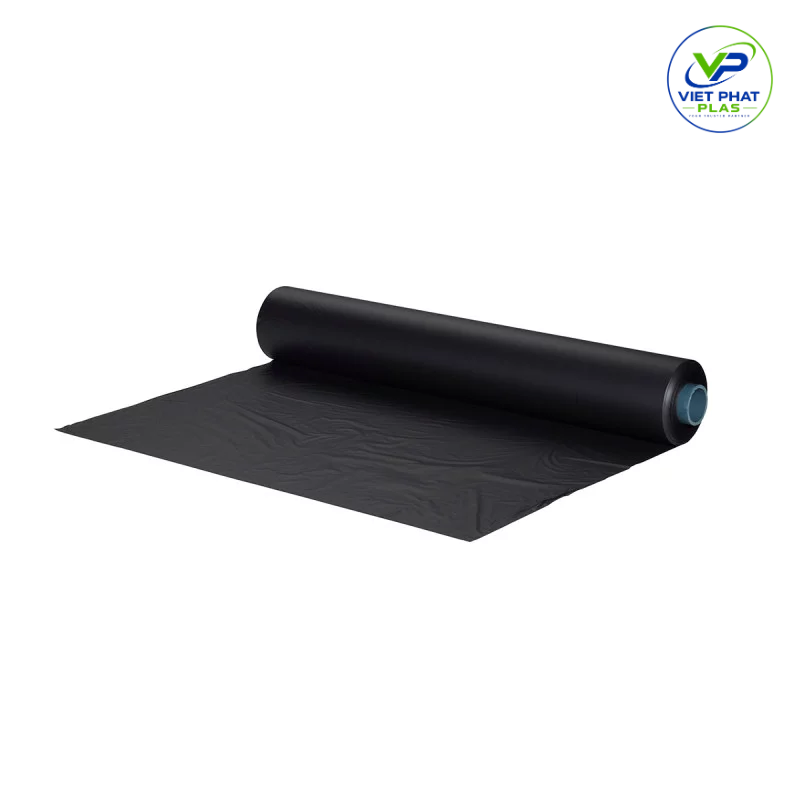
Mulch film price varies depending on thickness, material, and size, making it suitable for different agricultural models.
Conclusion
Mulch film plays a critical role in modern agriculture by improving soil conditions, increasing productivity, and supporting sustainable farming practices. With various types of agricultural mulch film available, farmers can choose solutions that best suit their needs while optimizing mulch film price and performance.
If you are looking for reliable plastic mulch film and agricultural solutions, VietPhatPlas offers high-quality products tailored to your specific requirements.
>>> View VietPhatPlas products: https://vietphatplas.com/products
Contact us for consultation and quick quotation:
-
Phone: +84 342 815 298
-
Website: https://vietphatplas.com/vi
-
Office: No.119, Alley 7, Quan Chay Street, An Khanh Commune, Hanoi
-
Factory: No.119, Alley 7, Quan Chay Street, An Khanh Commune, Hanoi