The Psychology Behind Branded Shopping Bags
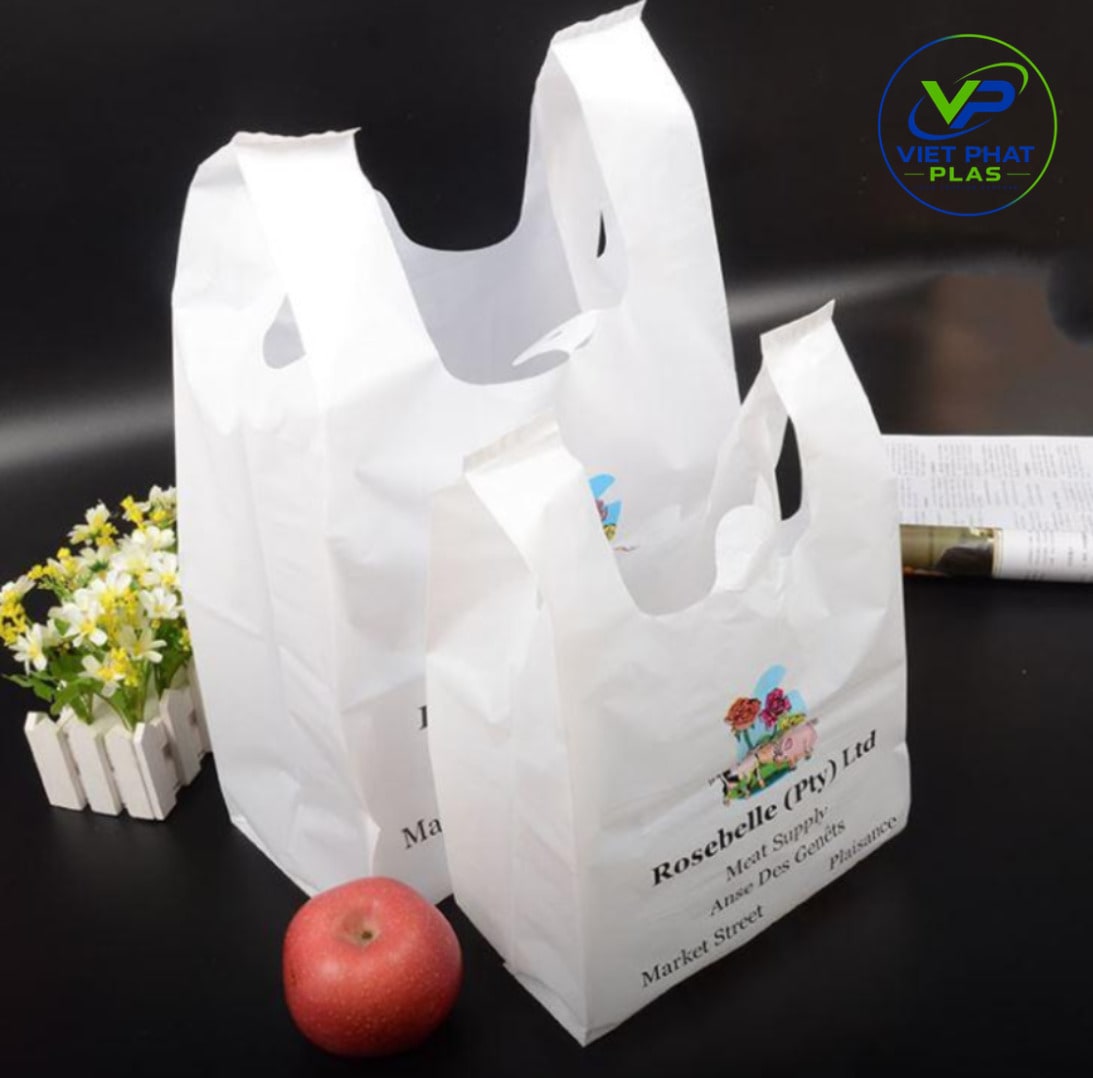
A logo on a bag looks like simple branding, but the reason it actually works has a name: the mere exposure effect. This guide walks through the psychology behind why branded shopping bags build recognition over time, where the effect has real limits, and what that means for a B2B buyer ordering a print run.
The psychology behind branded shopping bags explains something many B2B buyers already sense but rarely name: a bag with a logo on it keeps doing marketing work long after the sale is over. The mere exposure effect in branding is the main mechanism at work — ordinary, repeated sightings of a logo build familiarity, and familiarity quietly shifts into preference. Custom shopping bags for brand visibility work because they put a logo in front of people who never asked to see an ad, turning shopping bags as walking billboards into free, repeated impressions. The link between branded bags and brand recognition isn't just a marketing slogan — it's backed by decades of psychology research, with real limits worth knowing before ordering a print run.
Why This Isn't Just a Logo on a Bag
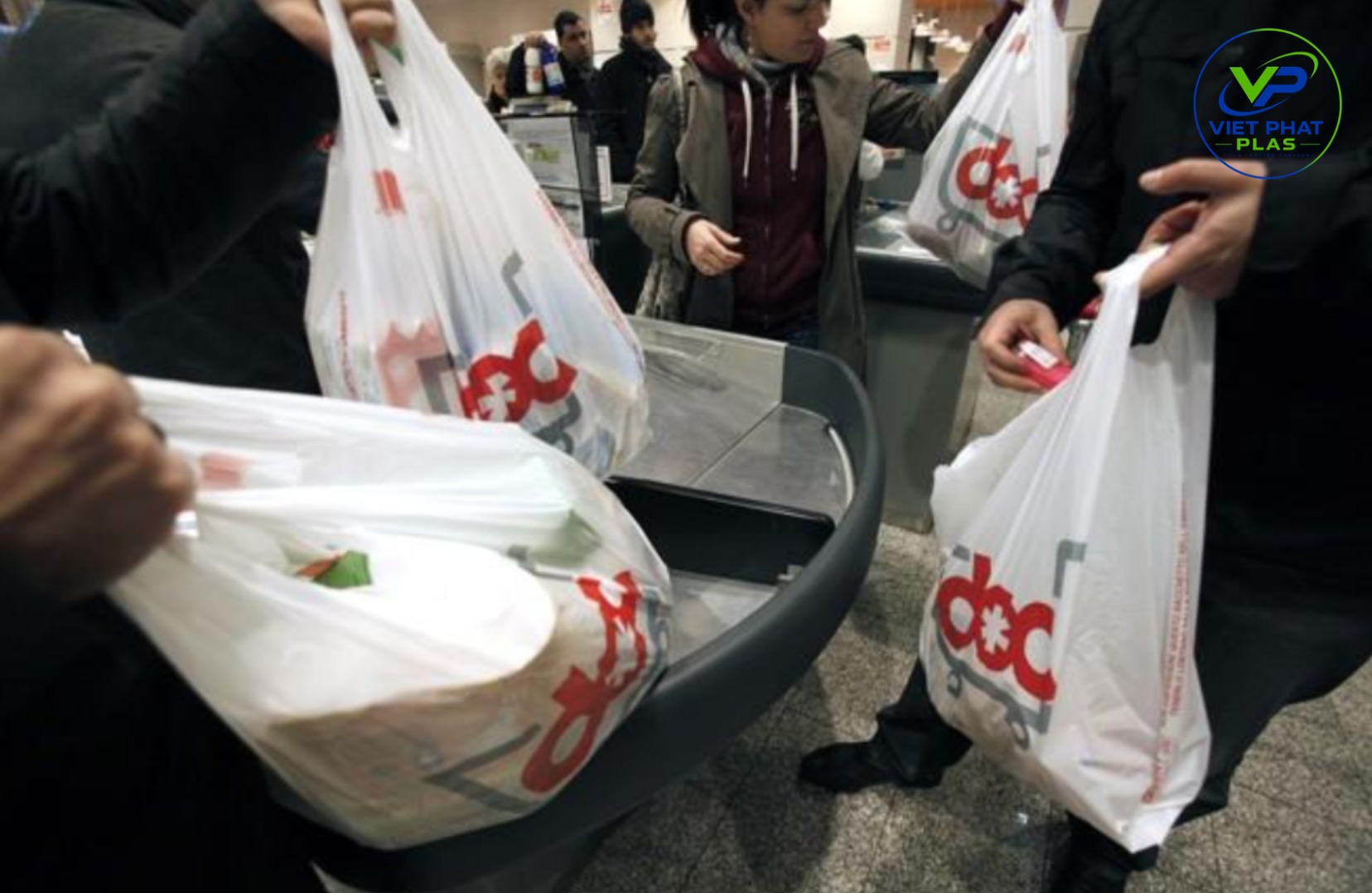
Every customer can become a mobile advertisement for your business
Most advice on branded packaging stops at "it builds brand awareness" without explaining why that's true. The honest answer is that a branded bag isn't persuading anyone the first time someone sees it — it's the tenth or the fiftieth sighting that starts to matter. That's a specific, well-studied psychological pattern, not just a marketing intuition, and understanding it changes what's worth asking for when a business orders custom bags: not just a logo, but a design built to survive repeated, casual viewing.
1. The Mere Exposure Effect: Why Repetition Builds Preference
The mere exposure effect in branding is the tendency people have to develop a preference for something simply because they've encountered it before — no persuasion, no pitch, just familiarity. The effect was formalized by psychologist Robert Zajonc in a landmark 1968 paper, "Attitudinal Effects of Mere Exposure," and is now considered one of the best-replicated findings in social psychology: repeated exposure to an unfamiliar stimulus makes people rate it more positively, even when they can't consciously recall having seen it before.
A shopping bag is an almost ideal vehicle for this effect: it's seen casually, repeatedly, and without the viewer's guard up the way they might be toward a direct advertisement. Every time a branded bag rides a bus, sits on a café table, or gets reused for groceries, it's another low-friction exposure — not a sales pitch, just another sighting that nudges familiarity upward.
2. The Halo Effect: How Bag Quality Colors the Whole Brand
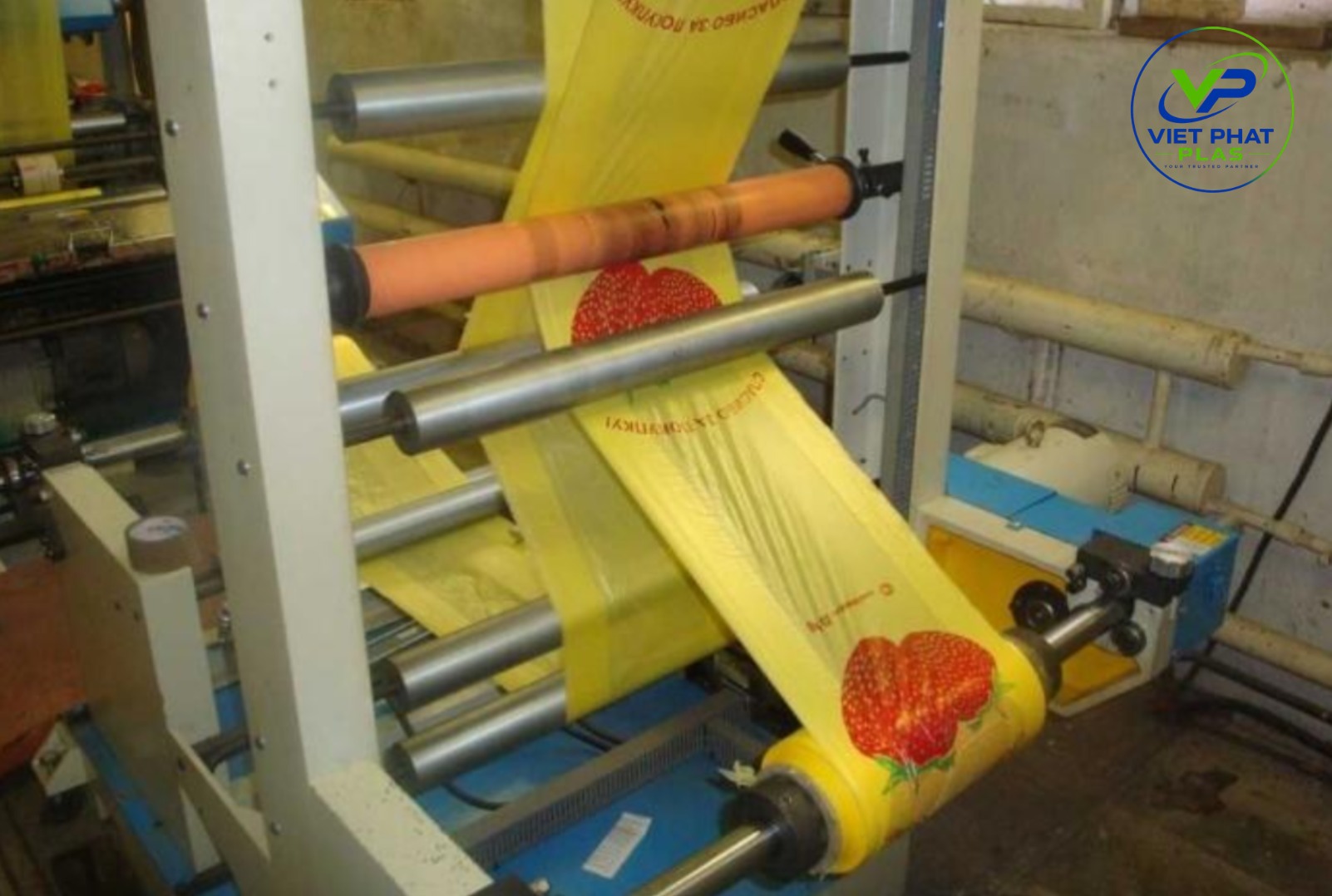
Effective bag design turns packaging into a marketing asset
A second mechanism works alongside repetition: the halo effect, where one positive (or negative) attribute colors a person's overall impression of something else connected to it. A thick, well-printed bag that holds its shape and doesn't tear implies — fairly or not — that the company behind it is careful and reliable. A thin bag with a smudged logo implies the opposite, regardless of what's actually inside it.
This is why material and print quality aren't a side detail in branded packaging — they're part of what the logo is communicating. A business investing in custom shopping bags for brand visibility is making a claim about itself every time the bag changes hands, and the physical bag either backs that claim up or quietly undercuts it.
3. Social Proof: Why People Trust What Others Are Already Carrying
Seeing a branded bag isn't just repetition in the abstract — it's also evidence that other people are already doing business with that brand. That's social proof: a shortcut people use to decide what's trustworthy, based on what they observe other people choosing. A shopping bag carried through a public space is, in effect, a visible signal that someone already trusted the business enough to buy from it.
This is part of why shopping bags as walking billboards work differently from most advertising: the "endorsement" comes from a stranger's ordinary behavior, not from the brand talking about itself.
4. The Diminishing-Returns Problem: When More Exposure Stops Helping
The mere exposure effect is real, but it isn't unlimited, and overstating it would be its own kind of inaccuracy. Research by Montoya and colleagues (2017) found the effect follows something close to an inverted U-shaped curve: liking increases with repeated exposure up to a point, then plateaus, and can even decline with excessive repetition. A logo seen constantly in an identical, unchanging way for years doesn't keep generating fresh goodwill forever.
For a B2B buyer, the practical takeaway isn't to print more bags — it's to keep the design recognizable but not stale, and to treat branded bags as one steady channel among several rather than a single silver bullet. Branded bags and brand recognition build slowly and cumulatively; they're not a substitute for a product or service worth recommending in the first place.
Why Businesses Choose VietPhatPlas
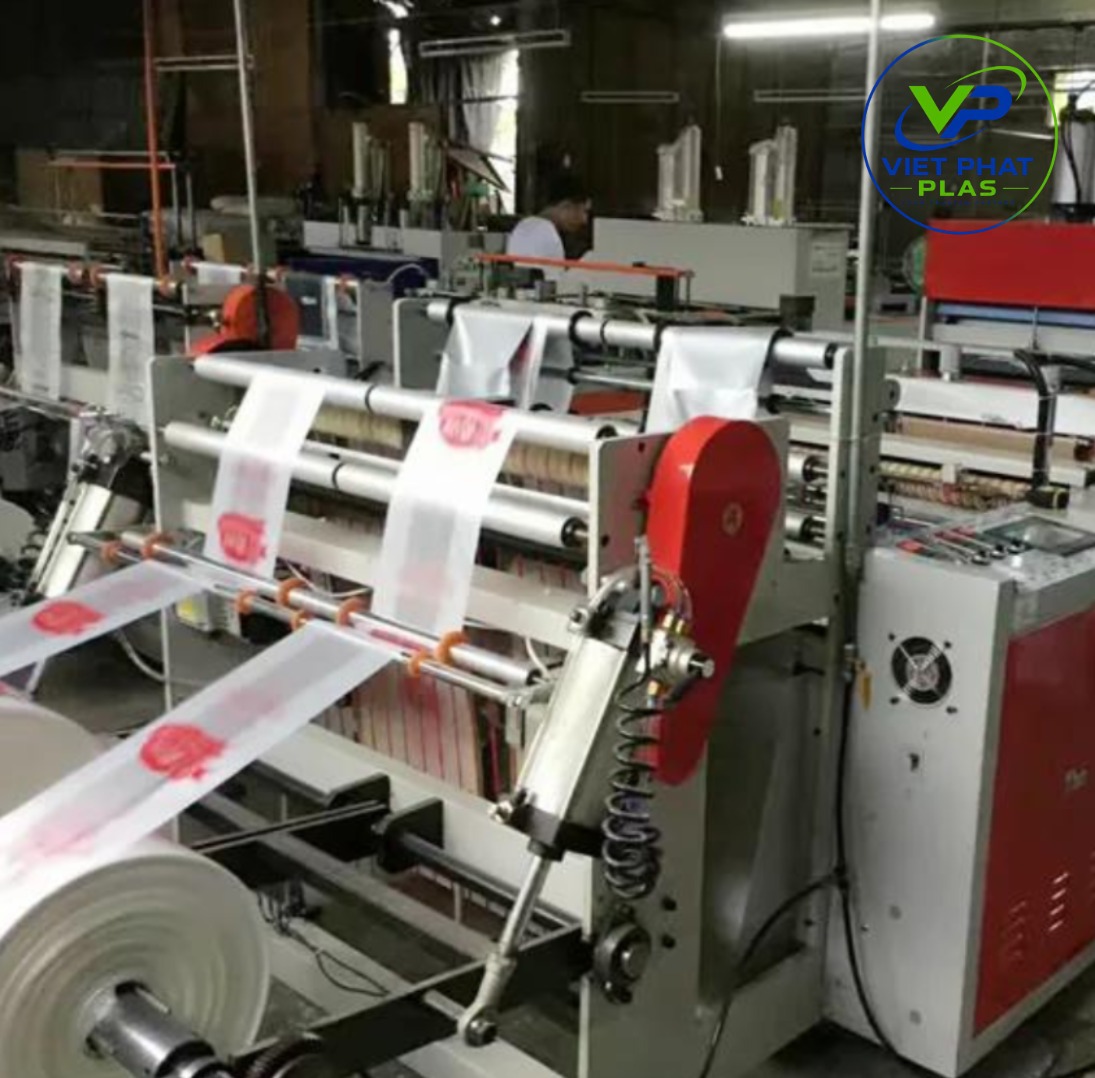
Bag printing line at VietPhatPlas with finished rolls of customer-branded bags
VietPhatPlas operates an 8,000 m² facility with production capacity of up to 500 tons per month, covering extrusion, printing, and bag-making across HDPE, LDPE, LLDPE, MDPE, and biodegradable materials. With 10+ years of experience and shipments to 20+ countries, VietPhatPlas supplies custom-printed plastic bags to B2B distributors and importers, with independent third-party SGS batch test reports available on request — the kind of print consistency and durability that keeps a logo looking sharp exposure after exposure, rather than undercutting the brand it's meant to build. For buyers comparing printing methods for a given order volume, our printing methods guide covers flexographic, gravure, and screen printing trade-offs in more depth.
At a Glance
|
Psychological principle |
What it means for a branded bag |
Practical takeaway |
|
Mere exposure effect |
Repeated, casual sightings build familiarity and quiet preference over time |
Design for long-term reuse, not just the point of sale |
|
Halo effect |
Bag quality (print sharpness, material strength) colors perception of the whole brand |
Don't cut corners on print quality or material thickness |
|
Social proof |
Seeing others carry a branded bag signals that people already trust it |
Visibility in public, everyday settings matters more than volume alone |
|
Diminishing returns |
The effect plateaus and can decline with excessive, unchanging repetition |
Refresh designs periodically; don't rely on bags as the only marketing channel |
FAQ
What is the mere exposure effect in branding?
It's the tendency for people to develop a preference for something simply because they've been exposed to it repeatedly, even without consciously processing it as an advertisement. The effect was formalized by psychologist Robert Zajonc in a 1968 paper and is considered one of the best-replicated findings in social psychology.
Do branded shopping bags actually work as advertising?
They work differently from direct advertising — the effect comes from repeated, low-pressure exposure and social proof (seeing others carry the bag) rather than a persuasive message. The research suggests this builds familiarity gradually rather than driving an immediate response.
Can a brand overuse the same bag design?
Yes — research on the mere exposure effect shows the benefit plateaus and can decline with excessive, unchanging repetition. Refreshing a design periodically tends to work better than keeping an identical logo in circulation indefinitely.
Does bag quality really affect how a brand is perceived?
Yes, through what psychologists call the halo effect — a sturdy, well-printed bag implies the business behind it is careful and reliable, while a thin or poorly printed one can quietly undercut that impression regardless of the product inside.
Request a Quote
If you're weighing print quality, material thickness, or how a design will hold up across thousands of repeated sightings, our team can walk through the options with you — from choosing a material that keeps printing sharp over time to matching production volume with your order size. Contact VietPhatPlas to request a quote or ask about a sample run, or see what typically drives pricing before you do.
Conclusion
The psychology behind branded shopping bags comes down to a handful of well-studied mechanisms working together — repeated exposure building quiet familiarity, bag quality shaping overall brand perception, and visible use by others acting as a kind of informal endorsement. None of that is unlimited, which is exactly why it pays to think about design and material as part of the marketing decision, not just the packaging decision. See what to check when picking a manufacturer for a print run that needs to hold up to all that repeated exposure.
Author Bio: Written by the VietPhatPlas content team, based on peer-reviewed and independently verified psychology research on the mere exposure effect and related branding mechanisms, and VietPhatPlas's own verified production data.
Sources