Heat-Sealed Bags for Food Packaging: When Heat Seal Beats Zip Closure
Heat-sealed bags for food packaging and zip-closure bags aren't interchangeable choices — they solve different problems at different price points. This guide breaks down how a heat seal actually works, why it beats a zip closure on tamper-evidence and cost, when a resealable zip is worth the extra spend, and how to match the right closure to your product.
Heat-sealed bags for food packaging get compared to zip-closure bags constantly, but the two aren't competing for the same job — one is built to be opened once and stay closed until then, the other is built to be opened and closed repeatedly. Buyers who default to a zip closure because it "feels more premium" often end up paying for a resealable feature their product never uses, while buyers who default to heat seal for a product customers genuinely need to reseal end up with unhappy end users and returned stock.
This guide is written for procurement teams and private-label brands weighing the heat seal vs zip closure decision for food packaging — snack bags, bakery bags, deli portions, dry goods — where the seal decision affects unit cost, shelf presentation, and how the product actually gets used after the first opening, not just how the bag closes at the factory.
Two Ways to Close a Food Bag: Permanent vs Resealable
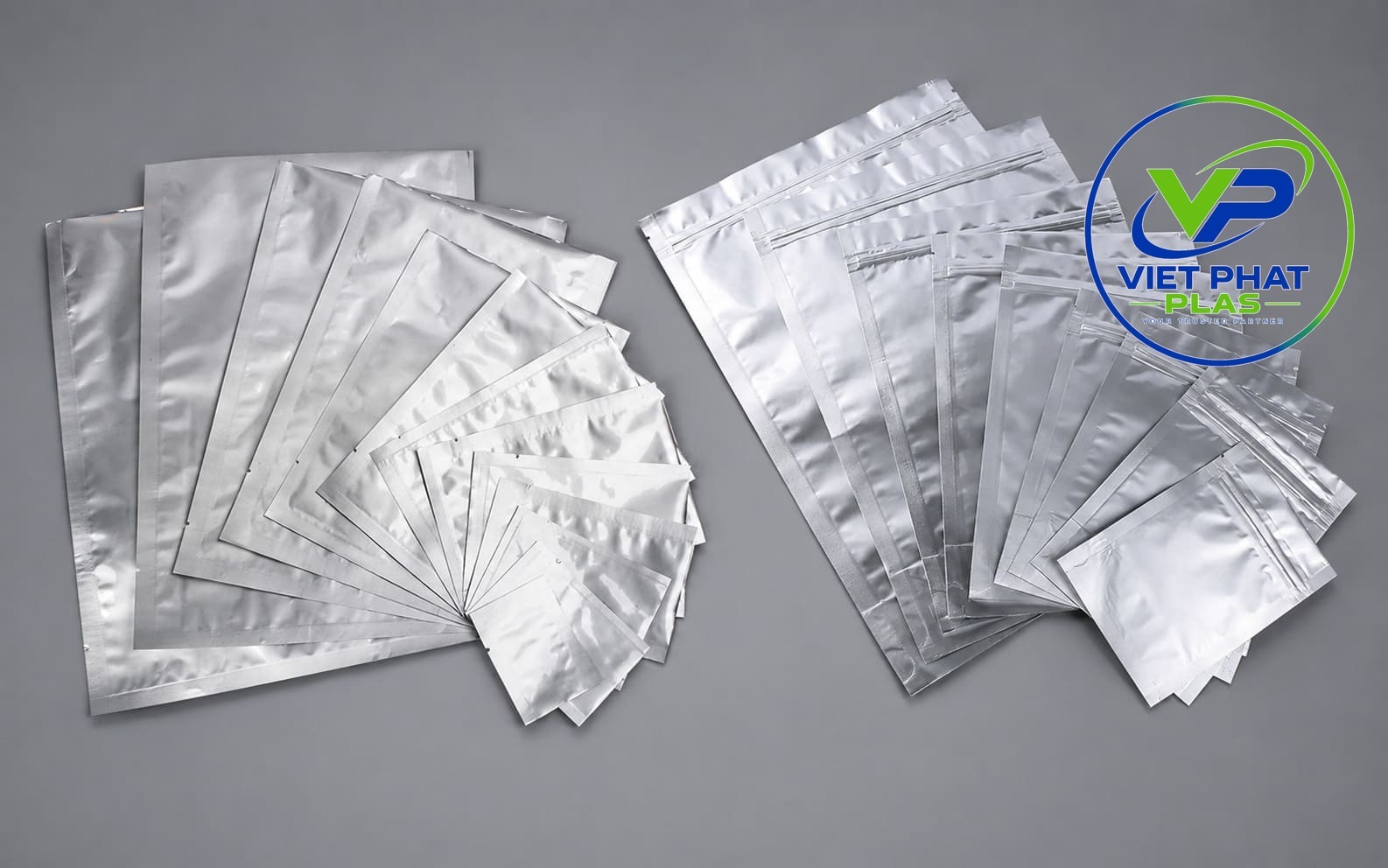
Side-by-side comparison of a permanently heat-sealed food bag and a resealable zip closure bag
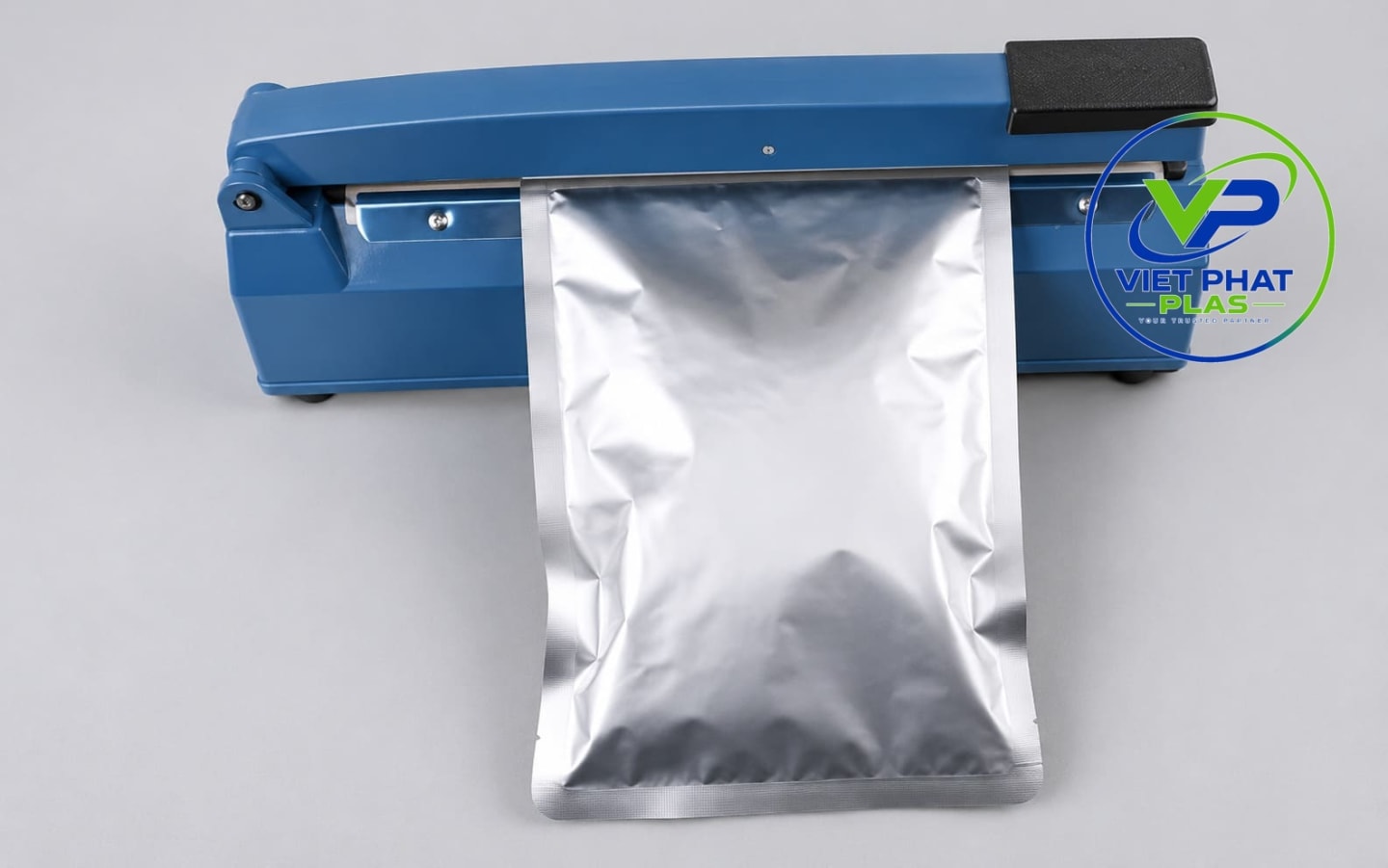
Every food bag closure falls into one of two categories: a permanent seal that's meant to be cut or torn open once, or a resealable closure that's meant to be opened and closed multiple times. Heat sealing is the standard method for permanent seal food packaging — the film is fused shut with heat and pressure, creating a bond that becomes part of the material itself rather than a separate mechanical part. A zip or slider closure is the standard method for the second category — a plastic track runs along the bag's opening, letting the end user press or slide it shut after each use.
The confusion buyers run into is treating this as a quality decision rather than a functional one. A heat-sealed bag isn't a "cheaper" version of a zip bag any more than a zip bag is a "better" version of a heat-sealed one — they're built for different consumption patterns. A single-serving snack bag, a bakery item sold same-day, or a deli portion meant to be used up in one sitting has no real need for a resealable closure. A bulk dry-goods bag, a household storage bag, or anything sold with the expectation that a customer will dip into it repeatedly over days or weeks generally does.
How Heat Sealing Actually Works and Why It's Tamper-Evident
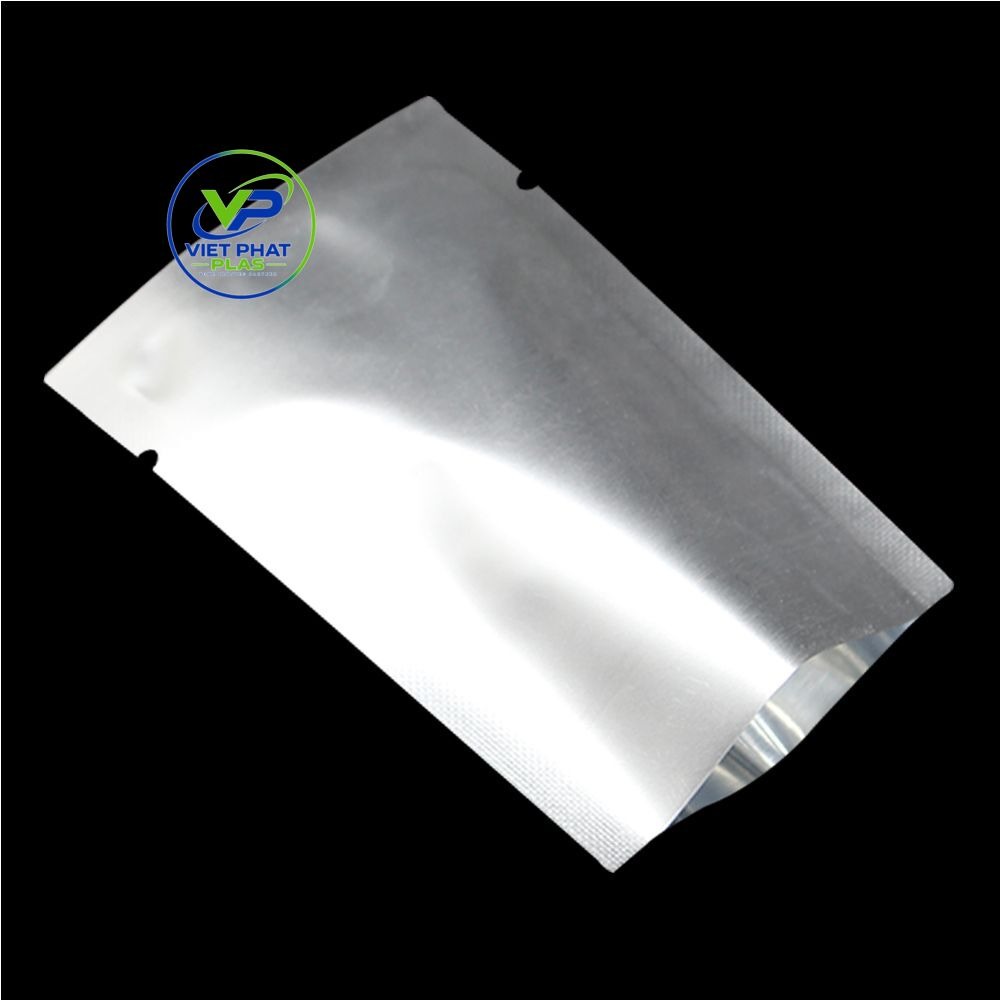
Close-up of a star-sealed heat weld on the bottom of a food packaging bag
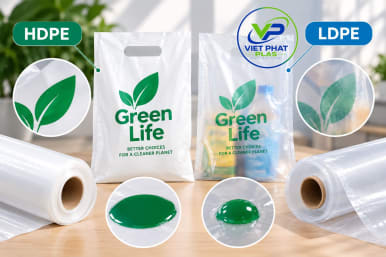
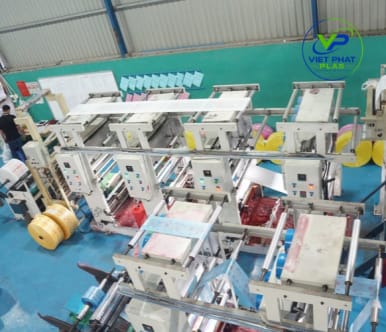
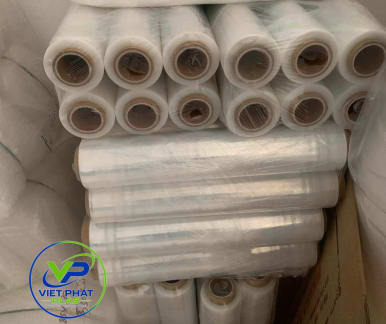
Heat sealing works by applying heat and pressure to two layers of film until the polymer melts and fuses into a single, continuous bond — not glued or clipped together, but literally welded into one piece of material. VietPhatPlas produces this as star-sealed and flat-sealed bags on roll, commonly used in supermarkets, food stalls, and grocery retail specifically because the seal holds reliably under normal handling without adding a separate closure component. The same star-seal construction is also produced as flat trash and garbage bags on roll in HDPE and LDPE, in gauges as thin as 6 microns for HDPE and 18 microns for LDPE, since the same welding method works across both food and waste bag applications.
This is also what makes a heat-sealed bag function as a tamper-evident food bag in a way a zip closure structurally cannot be. Because the seal is a fused bond rather than a mechanical closure, opening the bag requires visibly breaking that bond — cutting, tearing, or otherwise disrupting the weld in a way that can't be reversed or hidden. A zip or slider closure, by contrast, can be opened and closed again without leaving any visible trace that it happened. For any food product where a retailer or end customer needs assurance the package hasn't been opened before purchase, that structural difference matters more than either closure's marketed durability.
Where Heat-Sealed Bags for Food Packaging Win: Cost and Single-Use Applications
A resealable zip track is an added component — extra material, and an extra step in the production line to attach and align it — so it carries a real per-unit cost premium over a straight heat seal, which requires no additional part at all. The economics of a single-use food bag seal favor heat seal by a clear margin here: for products opened once and consumed in a single sitting or a single day, that zip-closure premium buys a feature the product never uses.
Heat seal also tends to run faster in production, since there's no zip track to feed, align, and fuse as a separate step — for buyers filling large single-use orders (snack bags, bakery bags, portion packs), that speed advantage compounds with the material cost savings. This is the calculation behind why heat-sealed formats dominate categories like snack foods, bakery items, and grocery produce bags: the products inside are typically consumed well before a second opening would ever matter, so the cost saved on the closure goes straight to margin or price competitiveness instead of a feature with no real usage.
Where Zip Closure Wins: Repeated Use and Consumer Convenience
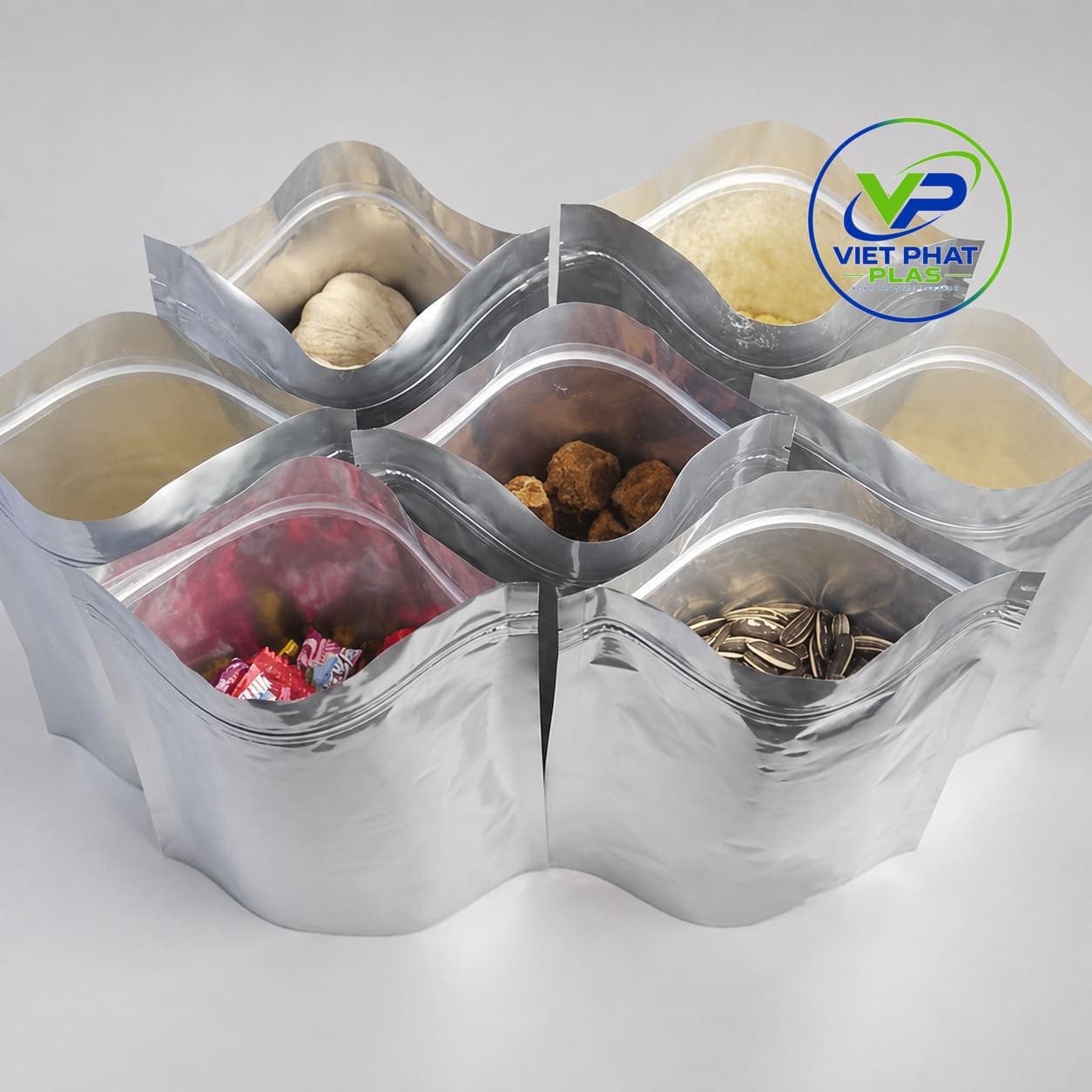
A zip-closure bag for dry food storage
The case for a zip closure is straightforward once a product genuinely gets opened more than once: dry goods, snack mixes sold in larger formats, bulk pantry items, and anything marketed on freshness after opening all benefit from a closure the end user can reseal without extra tape, clips, or a separate container. VietPhatPlas's zipper and slider bag lines — including a food-contact-safe virgin LDPE zipper/slider format starting at 10 microns, and a heavier slider ziplock format running 40–250 microns for bulkier or higher-load products — cover this range from lightweight repeat-use bags up to heavier-duty resealable packaging.
The trade-off buyers should factor in: a zip closure's seal is secure for normal handling but is not tamper-evident, and in food and pharmaceutical-adjacent applications, the zip track itself is not meant to serve as the primary production seal — the bag typically still needs an initial heat seal or equivalent closure at the point of fill, with the zip functioning as the reseal mechanism for the consumer afterward rather than as the manufacturer's seal. Buyers specifying a zip-closure bag for food should confirm with their supplier how the bag is sealed at first fill, not just how the end consumer reseals it.
Comparison Table: Cost, Tamper-Evidence, Reusability
Side-by-side comparison chart of heat-sealed bags and zip-closure bags by key criteria
|
Factor |
Heat-Sealed Bag |
Zip / Slider Closure Bag |
|
Per-unit cost |
Lower — no added closure component |
Higher — added track material and assembly step |
|
Tamper-evidence |
High — opening requires breaking the fused seal |
Low — can be reopened and closed without visible trace |
|
Reusability |
None — designed for single opening |
Multiple openings and reseals |
|
Typical thickness range (VietPhatPlas) |
HDPE 6–35 mic / LDPE 18–40 mic (star-sealed rolls) |
LDPE 10 mic+ (zipper/slider) up to 40–250 mic (slider ziplock) |
|
Best-fit applications |
Snack bags, bakery bags, deli portions, single-serve produce bags |
Bulk dry goods, pantry storage, multi-use household bags |
|
Production speed |
Faster — no separate zip-track assembly |
Slower — zip track must be fed and aligned |
Neither closure is universally "better" — the right choice depends entirely on whether the product inside is meant to be consumed in one sitting or accessed repeatedly over time.
Matching Seal Type to Your Food Product and Shelf Life
A short framework turns this into an actual sourcing decision rather than a preference call:
Start with how the product is actually consumed, not how it's marketed. If a customer finishes the contents in one sitting or one day — a single-serving snack, a bakery item, a deli portion — a heat-sealed bag covers the job at a lower unit cost with no functional downside.
Weigh tamper-evidence against convenience for retail-facing products. If preventing undetected tampering before purchase matters more than post-purchase convenience, heat seal is the structurally stronger choice; if repeat access after the first opening is the priority, the cost of a zip closure is buying a feature customers will actually use.
Confirm thickness against load, not just against the closure type. A thin heat-sealed bag and a thin zip bag can both underperform on a heavy or sharp-edged product — request the specific micron range for your product's weight and handling conditions rather than assuming any bag under a given closure category will hold up. Buyers still deciding between HDPE and LDPE film for either closure type can start from VietPhatPlas's plastic bag materials guide before narrowing down thickness.
Ask what MOQ and lead time apply to each option before deciding on cost alone. Zip and slider formats often carry different minimum order quantities and production timelines than straight heat-sealed rolls because of the added assembly step — buyers comparing landed cost per unit should request both figures for their actual order volume rather than comparing list price alone.
FAQ
Can a heat-sealed bag be reopened and resealed? Not as designed. A heat seal fuses the film into a single continuous bond, so opening it means cutting or tearing the seal — there's no way to close it again in the same tamper-evident state. If resealing matters for the product, a zip or slider closure is the appropriate choice instead.
Is heat sealing more tamper-evident than a zip closure? Yes, structurally. A heat seal can only be opened by visibly breaking the fused bond, which can't be hidden or reversed. A zip or slider closure can be opened and resealed without leaving any visible trace, which makes it less suitable for products where tamper-evidence at the point of sale is a priority.
Which foods should use heat-sealed bags instead of zip closures? Products consumed in a single sitting or single day — snack bags, bakery items, deli portions, and single-serve produce bags — are typically well served by heat seal, since the resealable feature of a zip closure goes unused while still adding cost.
Are heat-sealed bags cheaper to produce than zip bags? Generally yes. A zip or slider closure is an added component that requires extra material and an extra assembly step, so it carries a real per-unit cost premium over a straight heat seal, which needs no additional part. Heat-sealed production also tends to run faster since there's no zip track to feed and align.
Does switching from zip to heat seal (or the reverse) affect MOQ and lead time? It can. Zip and slider formats generally involve a separate assembly step that straight heat-sealed rolls don't, which can affect both minimum order quantity and production lead time. Buyers evaluating a switch should request current MOQ and lead time for their specific thickness and format rather than assuming both closure types run on the same terms.
Conclusion
Heat-sealed bags for food packaging and zip-closure bags aren't ranked by quality — they're matched to how a product actually gets used after it's opened. A heat seal costs less, runs faster in production, and is structurally tamper-evident, which makes it the right default for anything consumed in one sitting. A zip or slider closure costs more but earns that premium back on any product a customer genuinely reopens and reseals over time. Buyers who start from consumption pattern rather than closure preference end up specifying the right bag for the product, not just the one that sounds more premium on a spec sheet.
VietPhatPlas is a Vietnam-based manufacturer producing both heat-sealed food and garbage bags on roll and resealable zipper and slider formats for B2B buyers across export markets, with custom thickness, printing, and packing options for either closure type. Contact VietPhatPlas to compare heat-seal and zip-closure specifications for your specific product before your next order.