
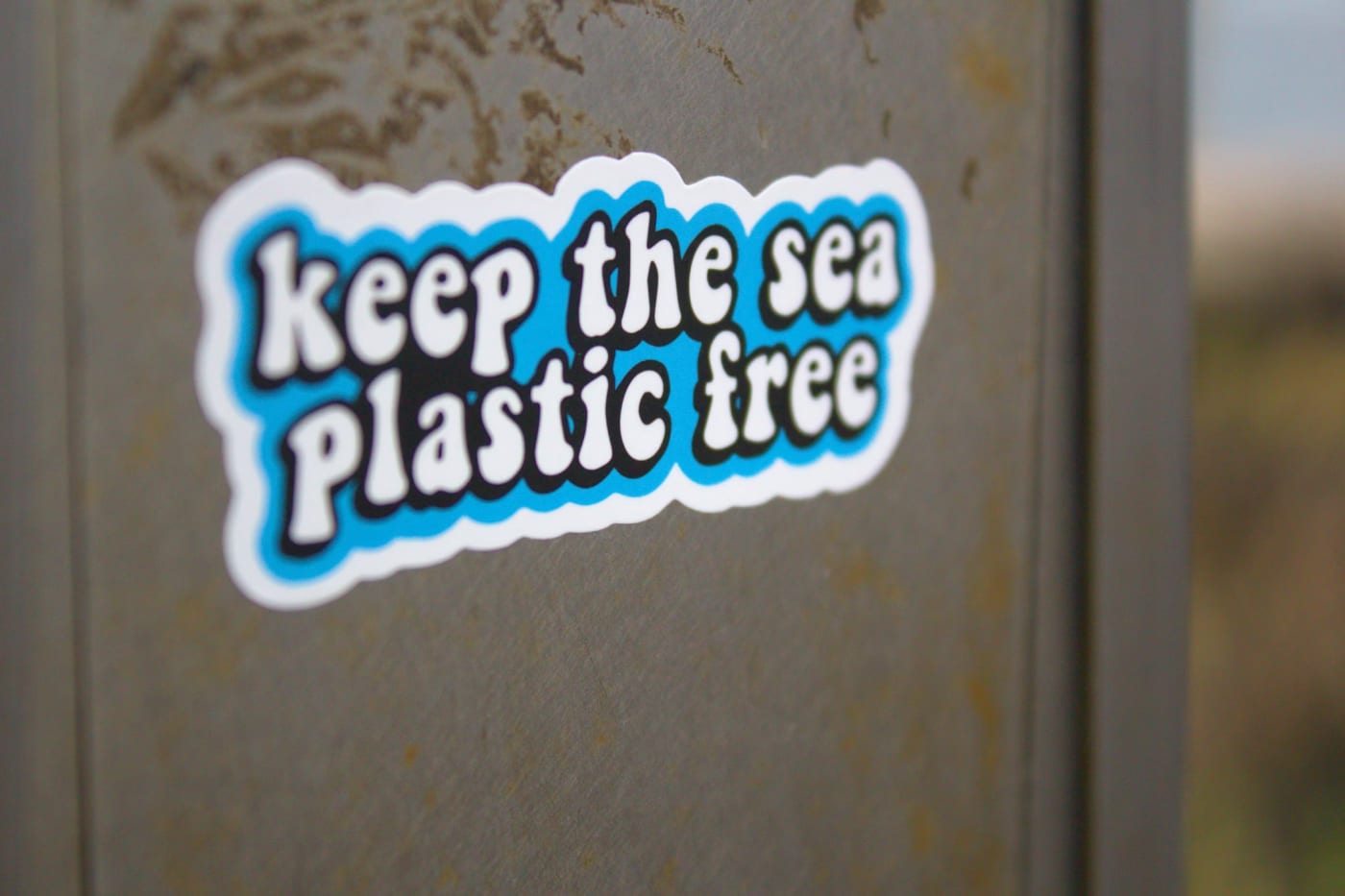
Plastic Packaging and Sustainability: Challenges and Solutions
Plastic has become one of the most essential materials in modern society, especially in the field of packaging. From food and beverages to pharmaceuticals and consumer goods, plastic packaging plays a vital role in protecting products, extending shelf life, and enabling efficient transportation.
The popularity of plastic packaging is largely due to its unique properties. Plastics are lightweight, durable, cost-effective, and highly adaptable to different shapes and functional requirements. These advantages make plastic an ideal solution for mass production and global distribution.
The Environmental Challenges of Plastic Packaging
Despite its practical benefits, plastic packaging has also become a significant environmental concern. Most conventional plastics are derived from fossil fuels and are not biodegradable. As a result, plastic waste can persist in the environment for hundreds of years if not properly managed.
Improper disposal and low recycling rates have led to widespread plastic pollution in landfills, rivers, and oceans. Microplastics, formed by the breakdown of larger plastic materials, have been detected in water, soil, and even the food chain, raising concerns about long-term ecological and human health impacts.
Sustainable Solutions and Industry Innovations
In response to growing environmental pressures, industries around the world are actively developing more sustainable plastic solutions. One major approach is the increased use of recyclable plastics, such as PET and HDPE, which can be reprocessed into new products when proper recycling systems are in place.
Another promising direction is the development of biodegradable and bio-based plastics. These materials are designed to break down more quickly under specific environmental conditions or are produced from renewable resources such as corn starch or sugarcane. While not a universal replacement, they offer potential benefits in reducing long-term waste accumulation.
In addition, manufacturers are investing in lightweight packaging design, material reduction strategies, and mono-material packaging to improve recyclability and reduce overall material usage.
The Role of Consumers and Policy Makers
Achieving sustainable plastic usage is not solely the responsibility of manufacturers. Consumers play an important role by adopting responsible consumption habits, properly sorting waste, and supporting products made from recycled or sustainable materials.
Governments and regulatory bodies also contribute by implementing environmental policies, setting recycling targets, and encouraging circular economy practices. Effective collaboration between industry, consumers, and policymakers is essential to create a balanced and sustainable plastic ecosystem.
Conclusion
Plastic packaging is not inherently harmful, but its environmental impact depends on how it is produced, used, and managed. Rather than eliminating plastic entirely, the future lies in using plastic more responsibly, improving recycling infrastructure, and continuing innovation in sustainable materials.
By combining technological innovation, policy support, and consumer awareness, plastic packaging can evolve to meet modern needs while minimizing its environmental footprint.